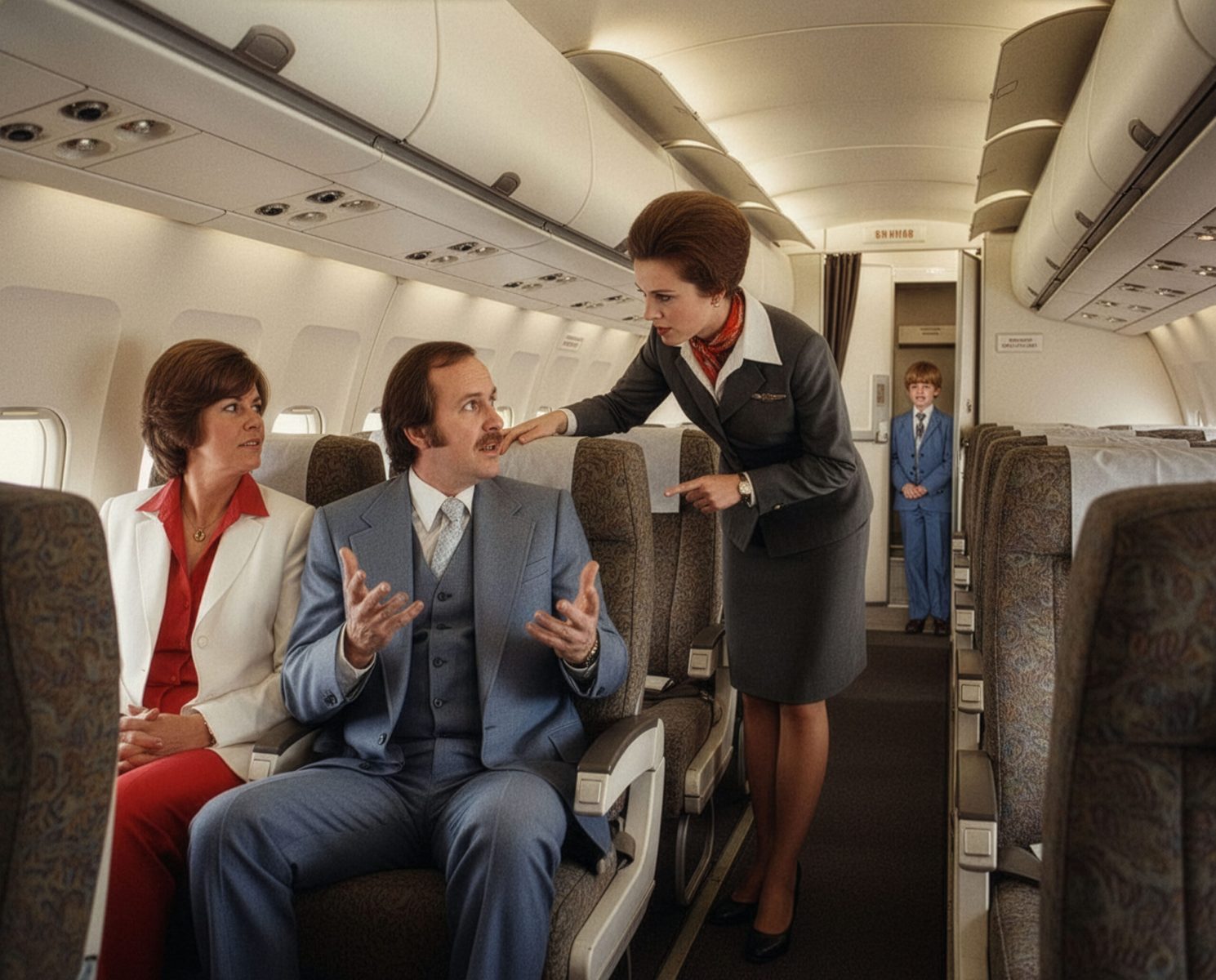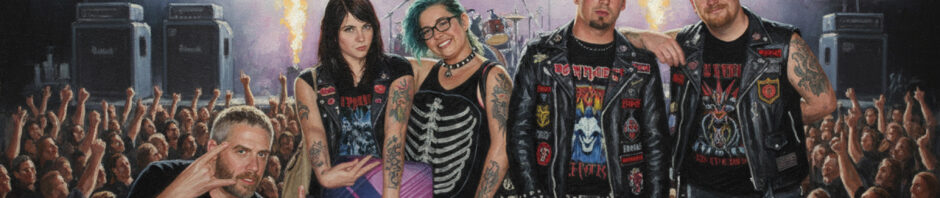
UPDATE: I continue to edit and sort these galleries months later, trying not to repeat looks and moving new favorites up front.
I’ve been pushing the limits of the Google Gemini 2.5 “Nano Banana” artificial intelligence engine in Photoshop, with unreal results. Its focus on editing images over conjuring them is more useful professionally and ethically, offering repeatable output while retaining facial detail. Seeing old newsprint photos leap off the page in sharp color can bring a tear to your eye. We’ll start with a few old family photo retouches … (I’ve done 1000+)


Though these source images were mine, I’m just typing a list of specific instructions to modify them. Results are like a slot machine eating credits with hopes for each new iteration generated. Most were complete in one pass with minimal spot edits because it’s very responsive to cinematic and artistic terminology like lens/lighting specs, tone, texture, and color discipline. Overlaid text clarifies what else I generated besides the obvious subject treatment. Some of the originals live on my Photography page if wanting before/after comparisons.
In the following gallery, I rendered every physical art style I could think of, grouped into artists, textures, genres, and media (hover thumbnails). Unlike filters, since A.I. follows the actual geometry of a scene, lighting and shadows harmonize.
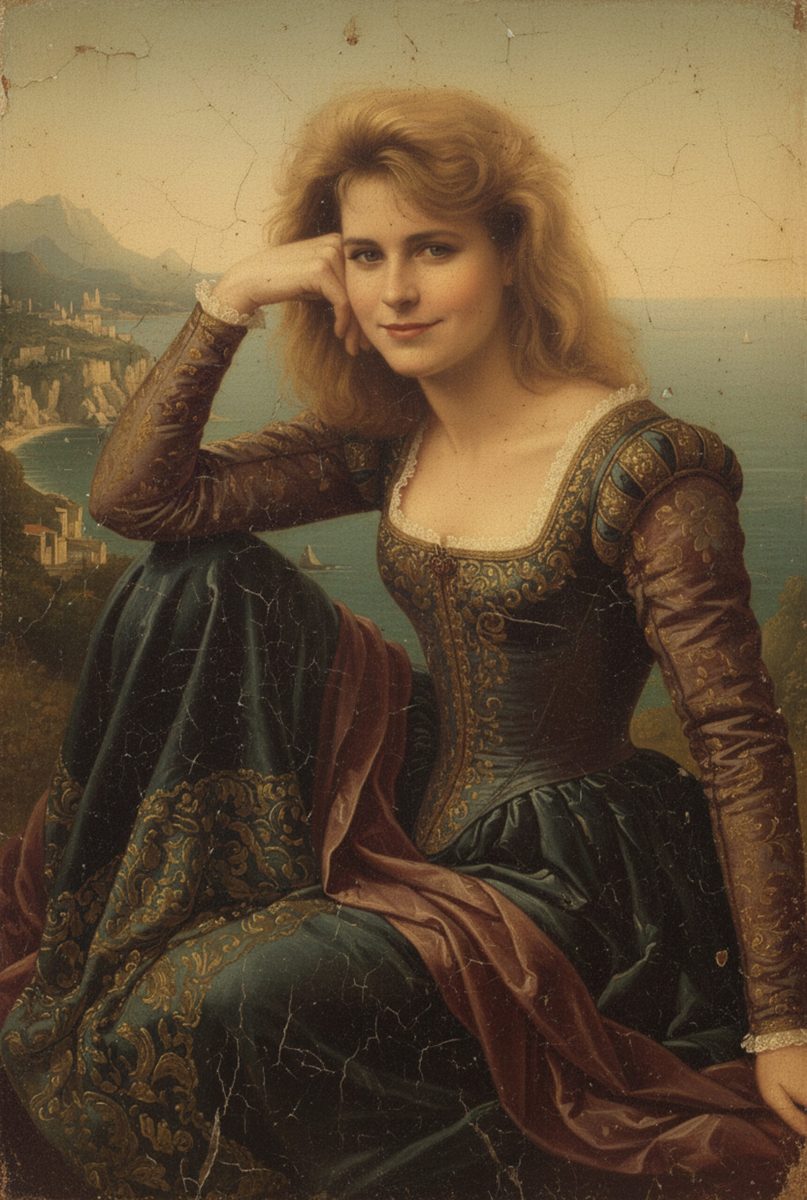
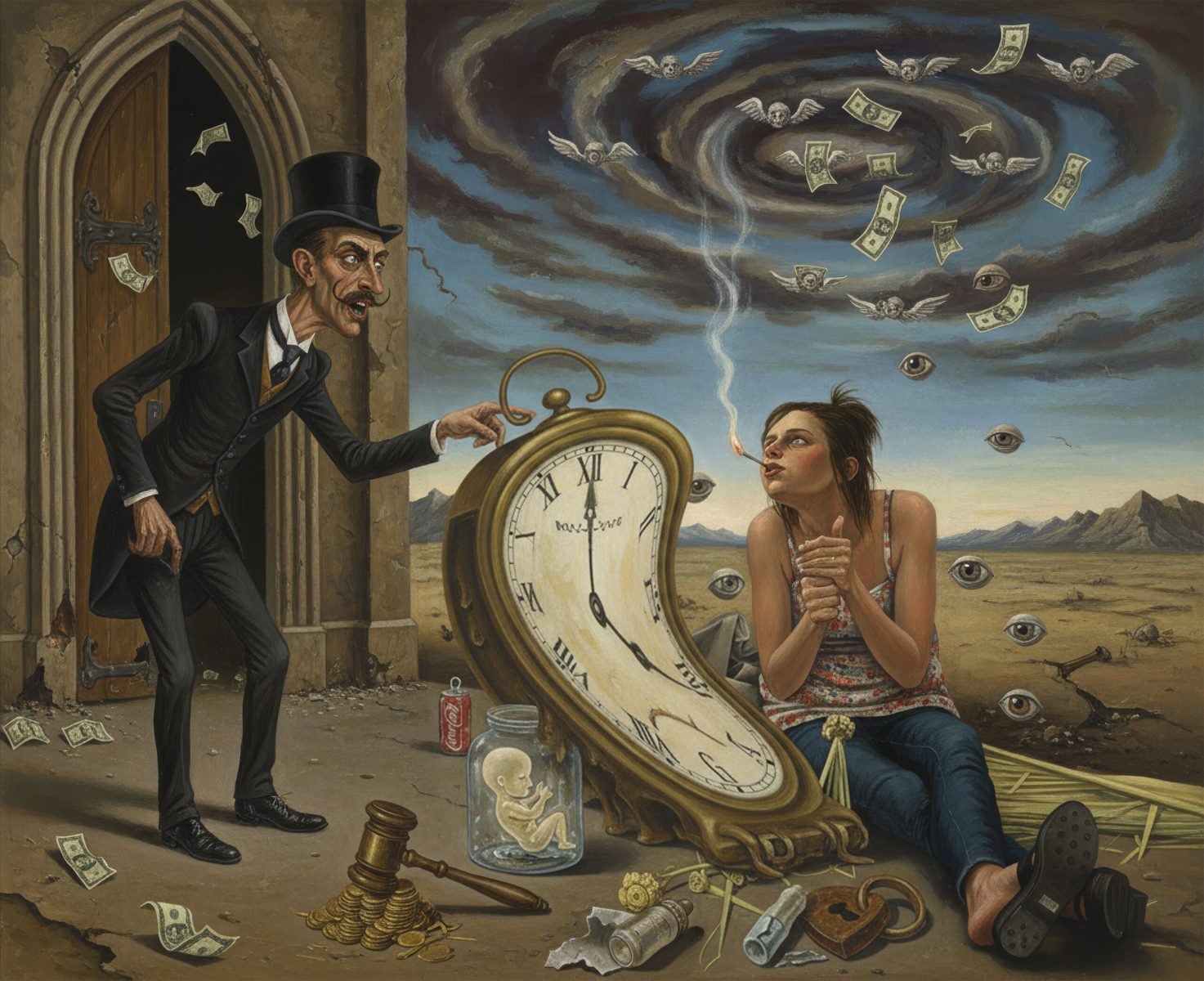
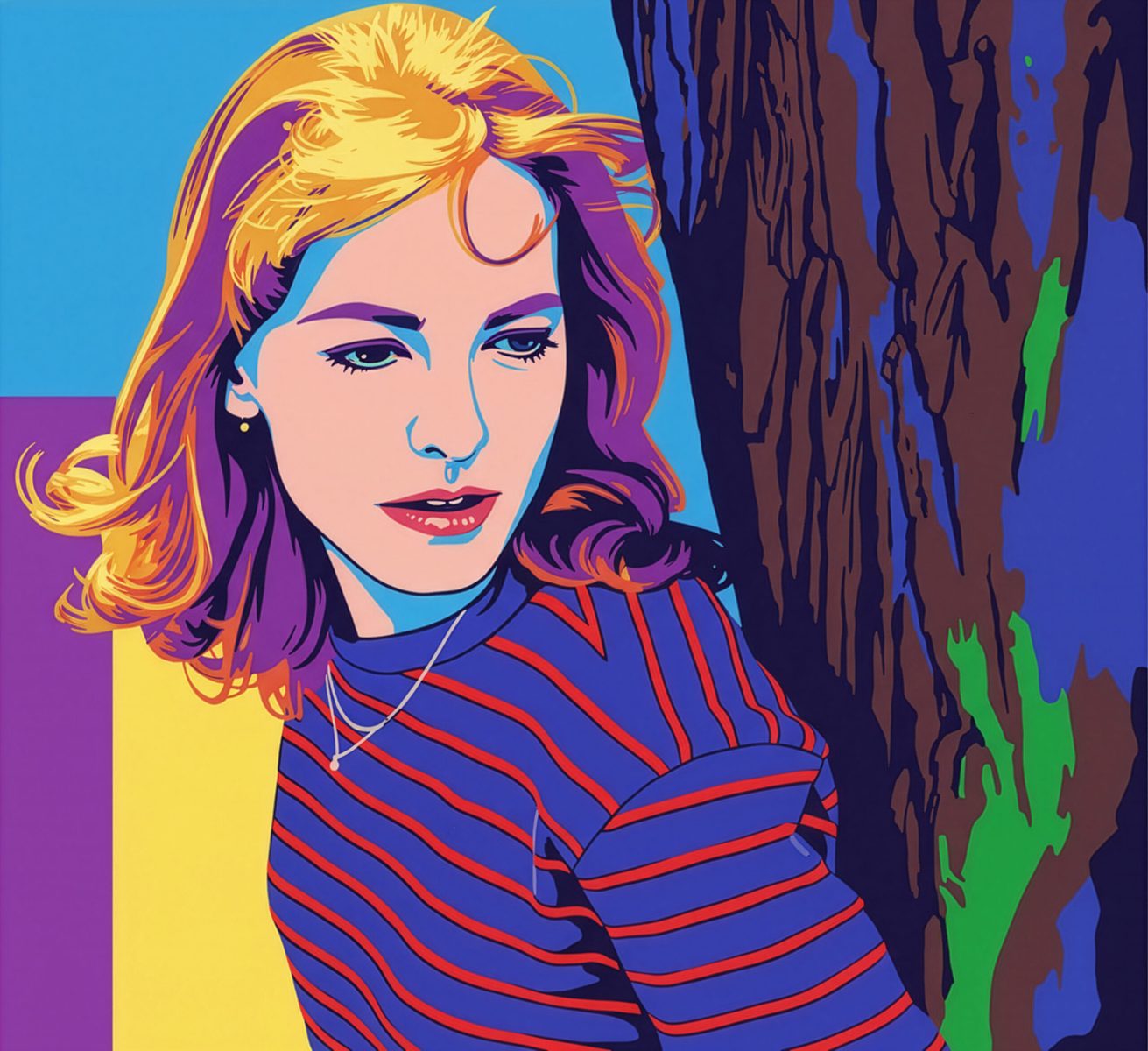
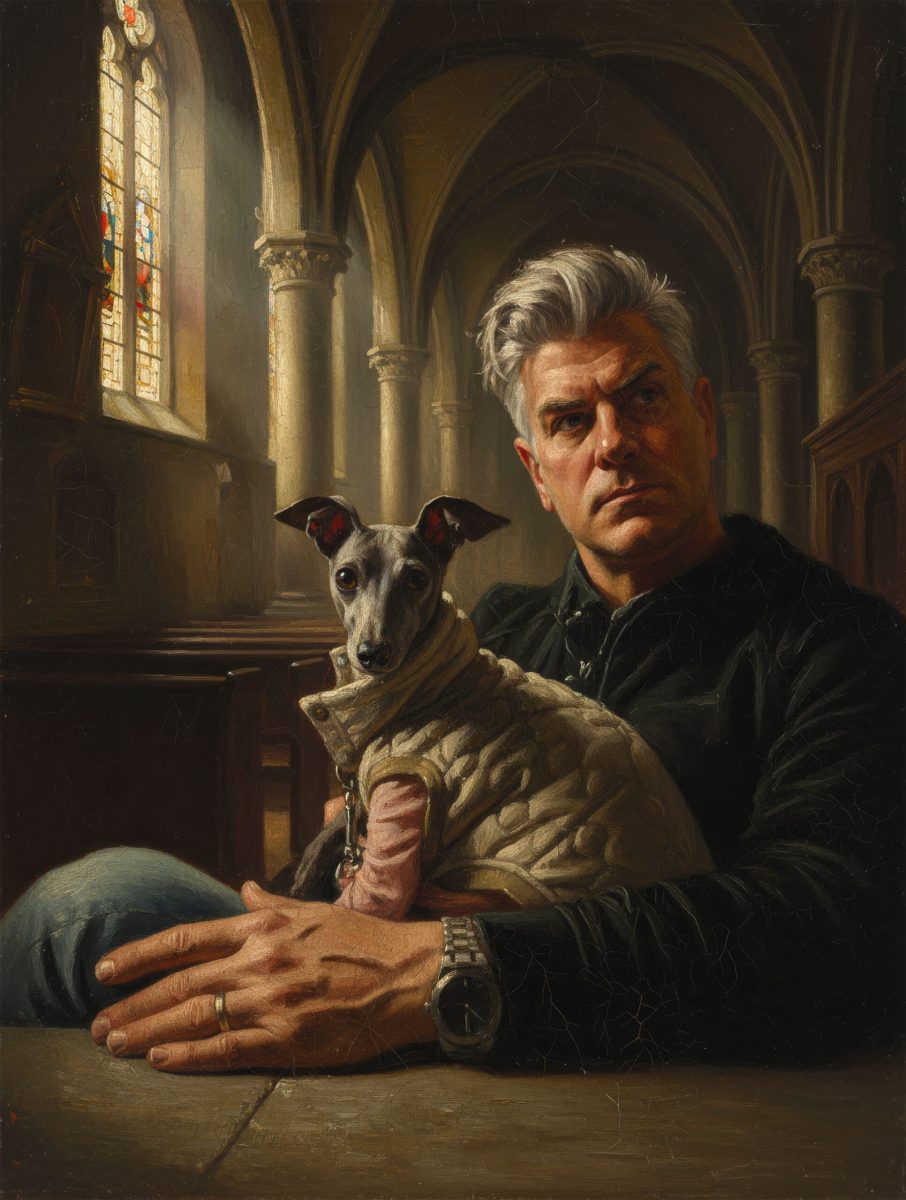
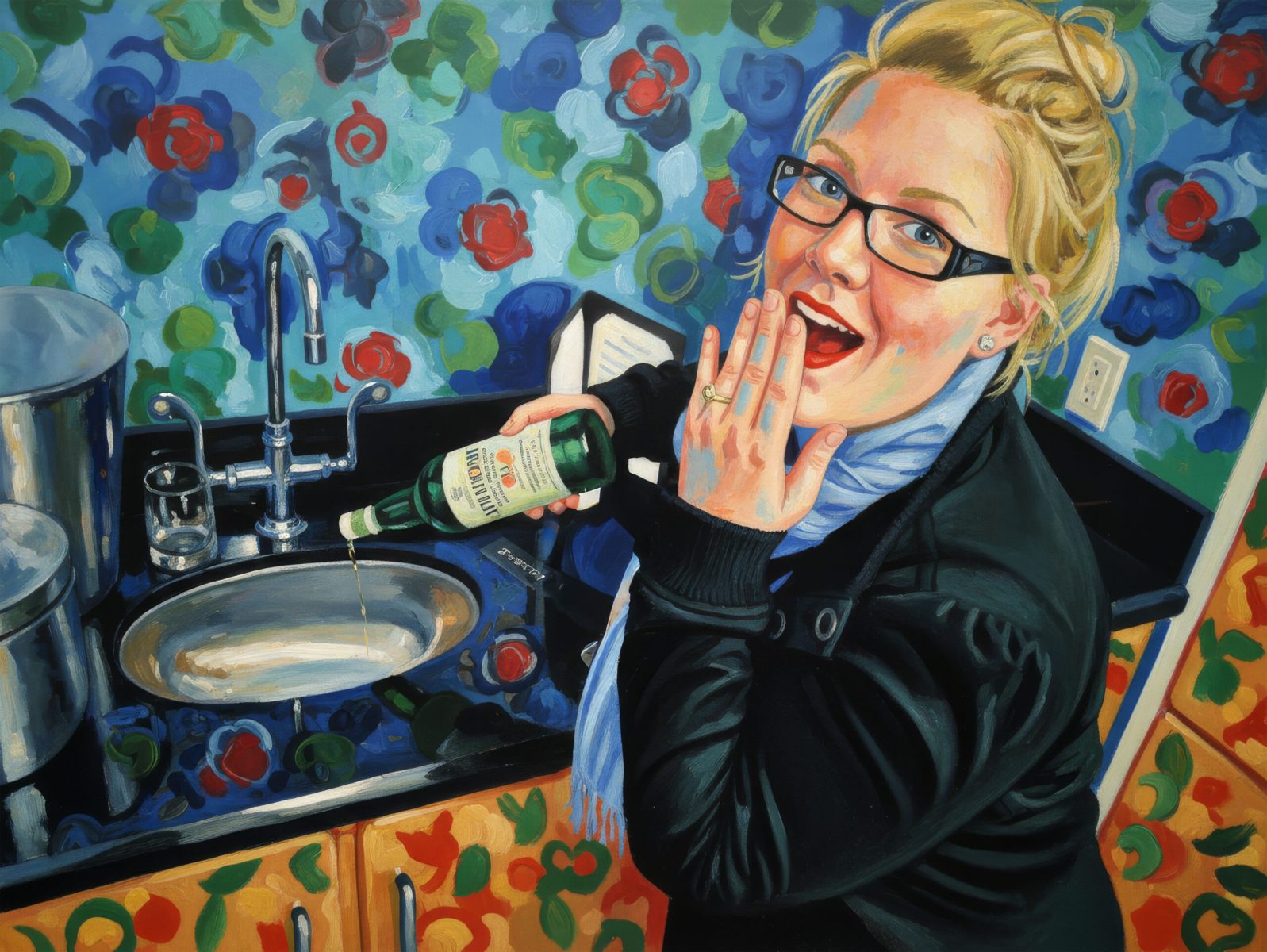
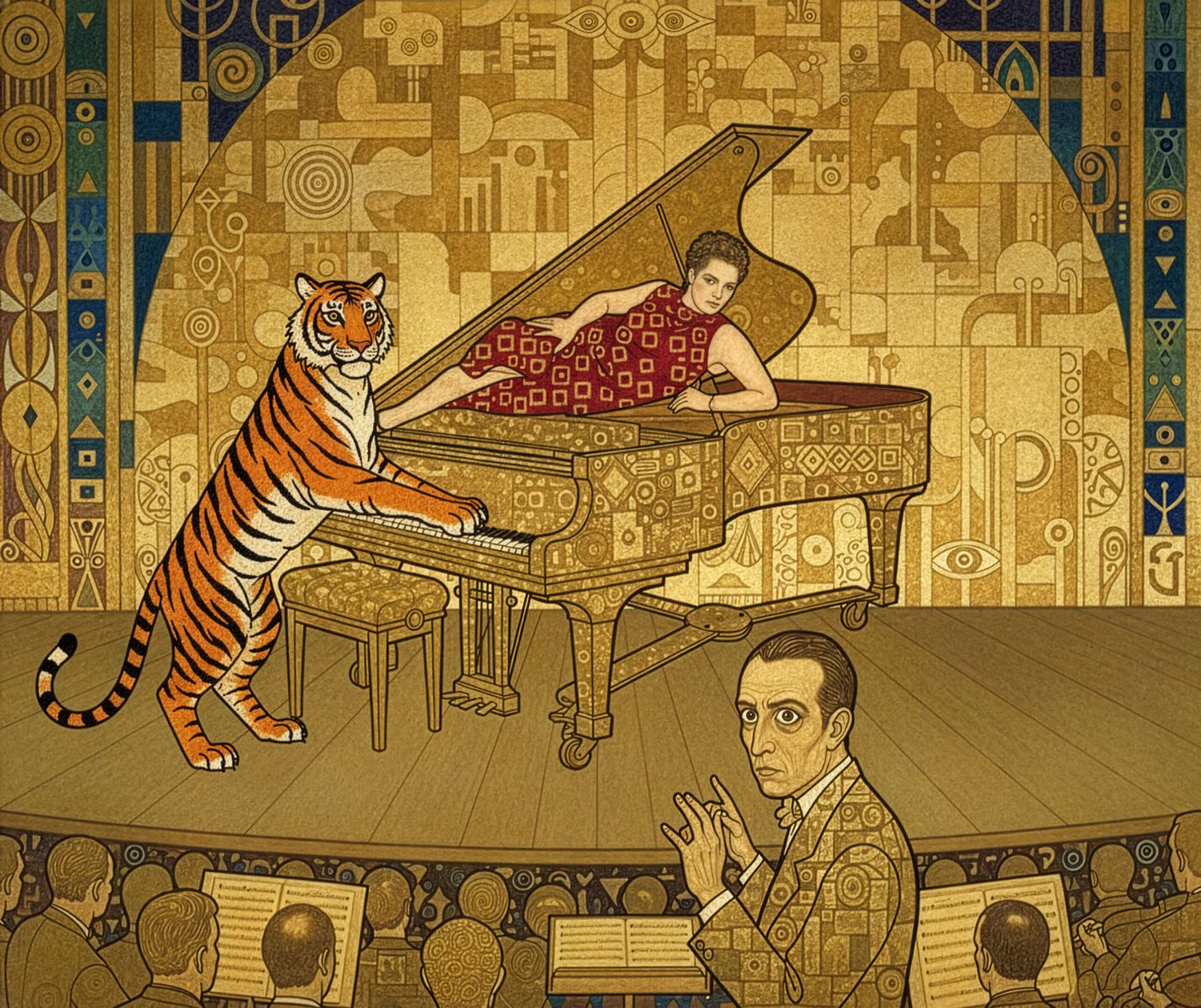
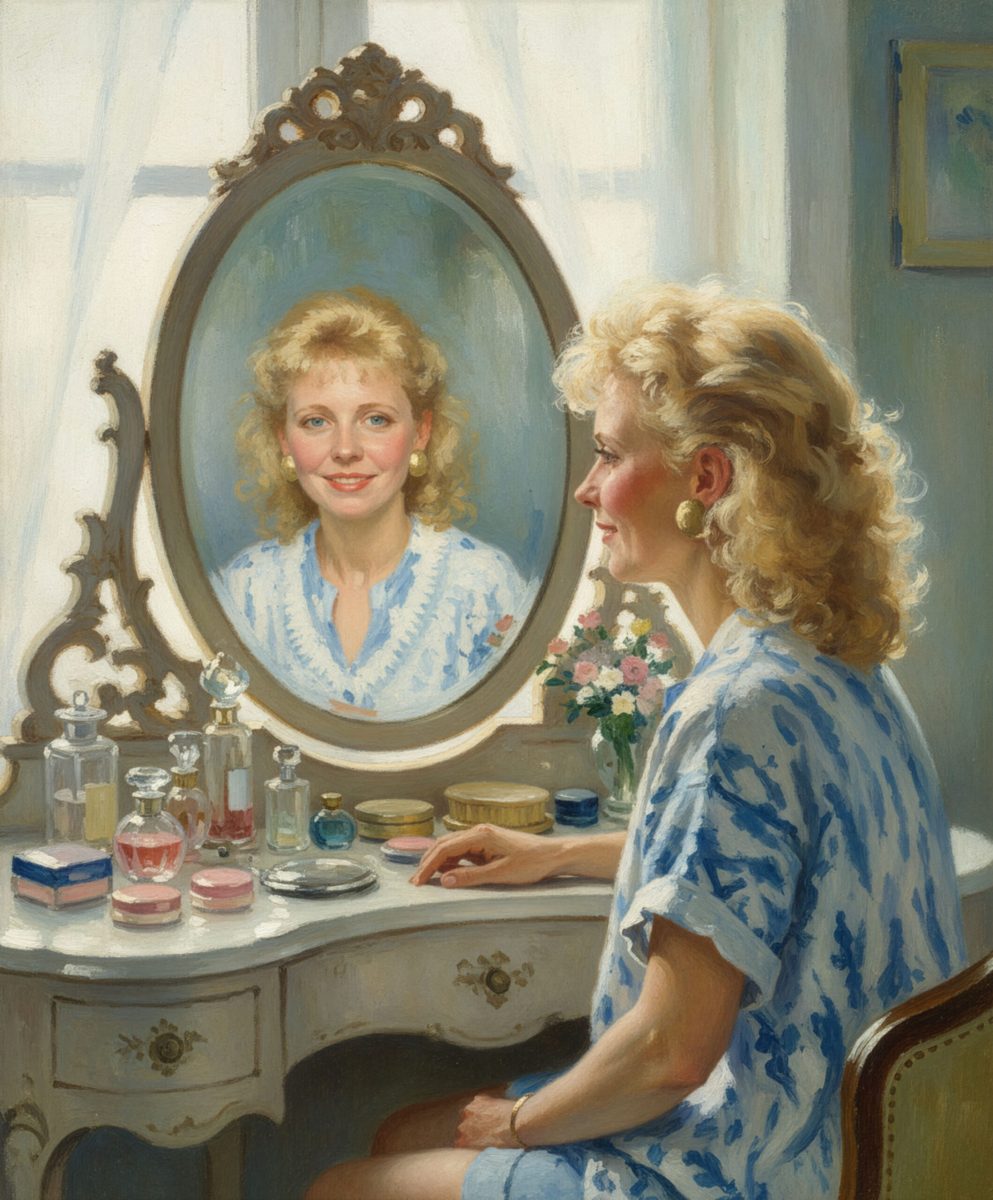
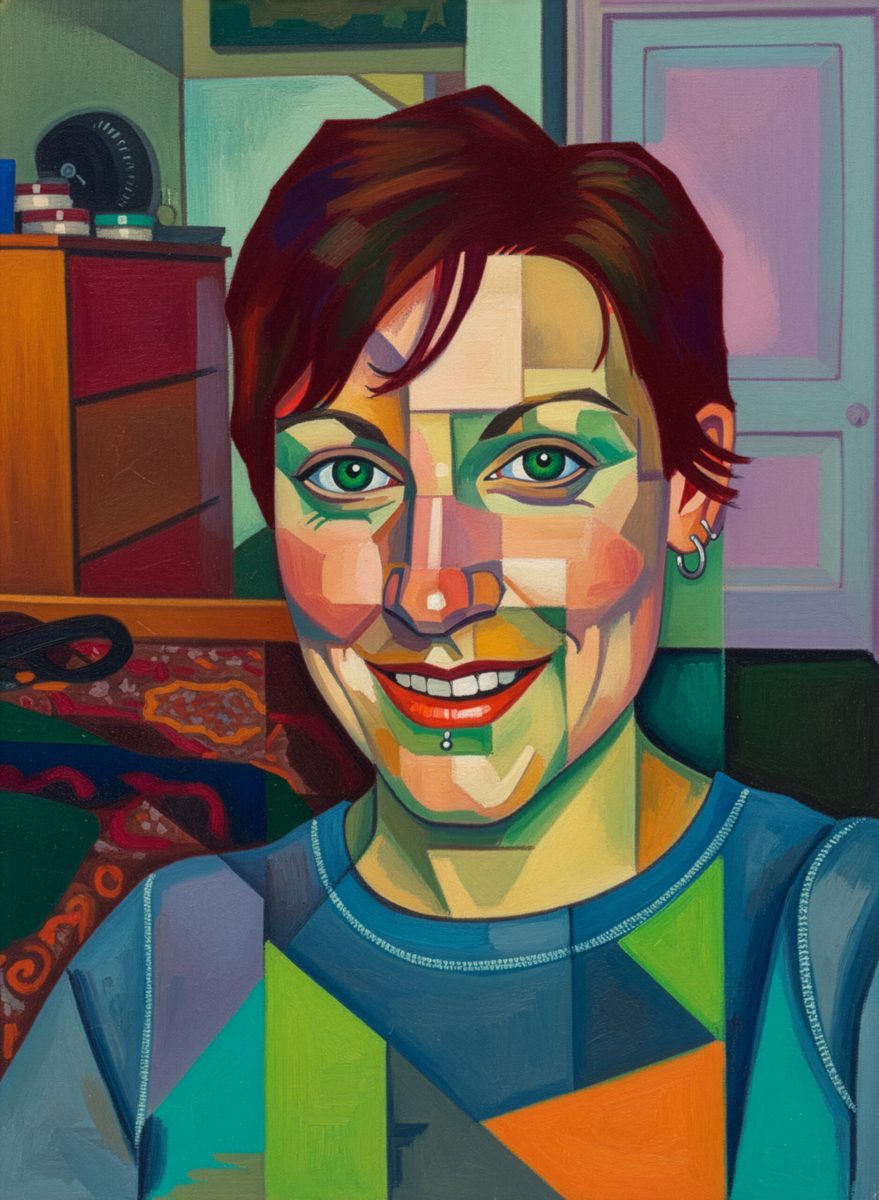
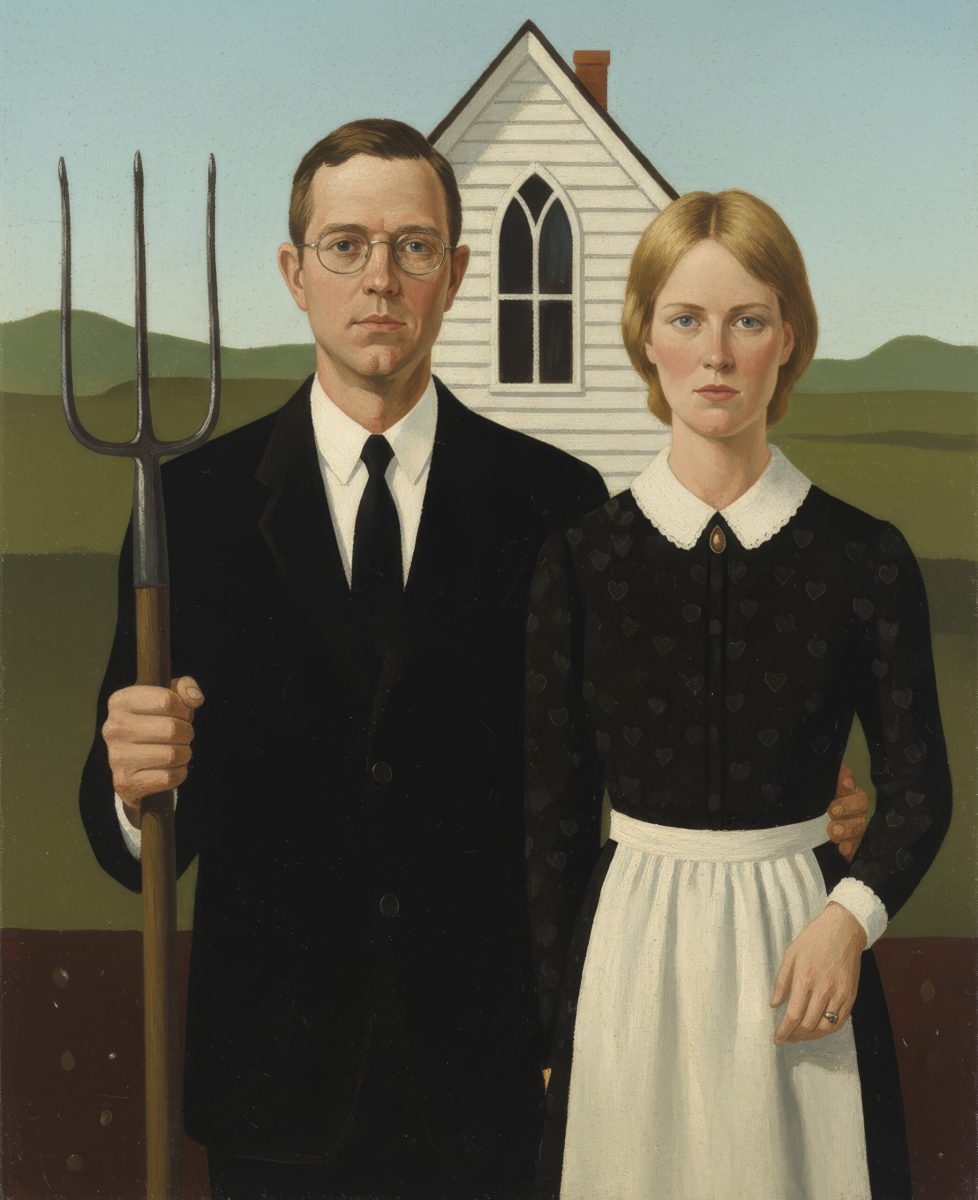
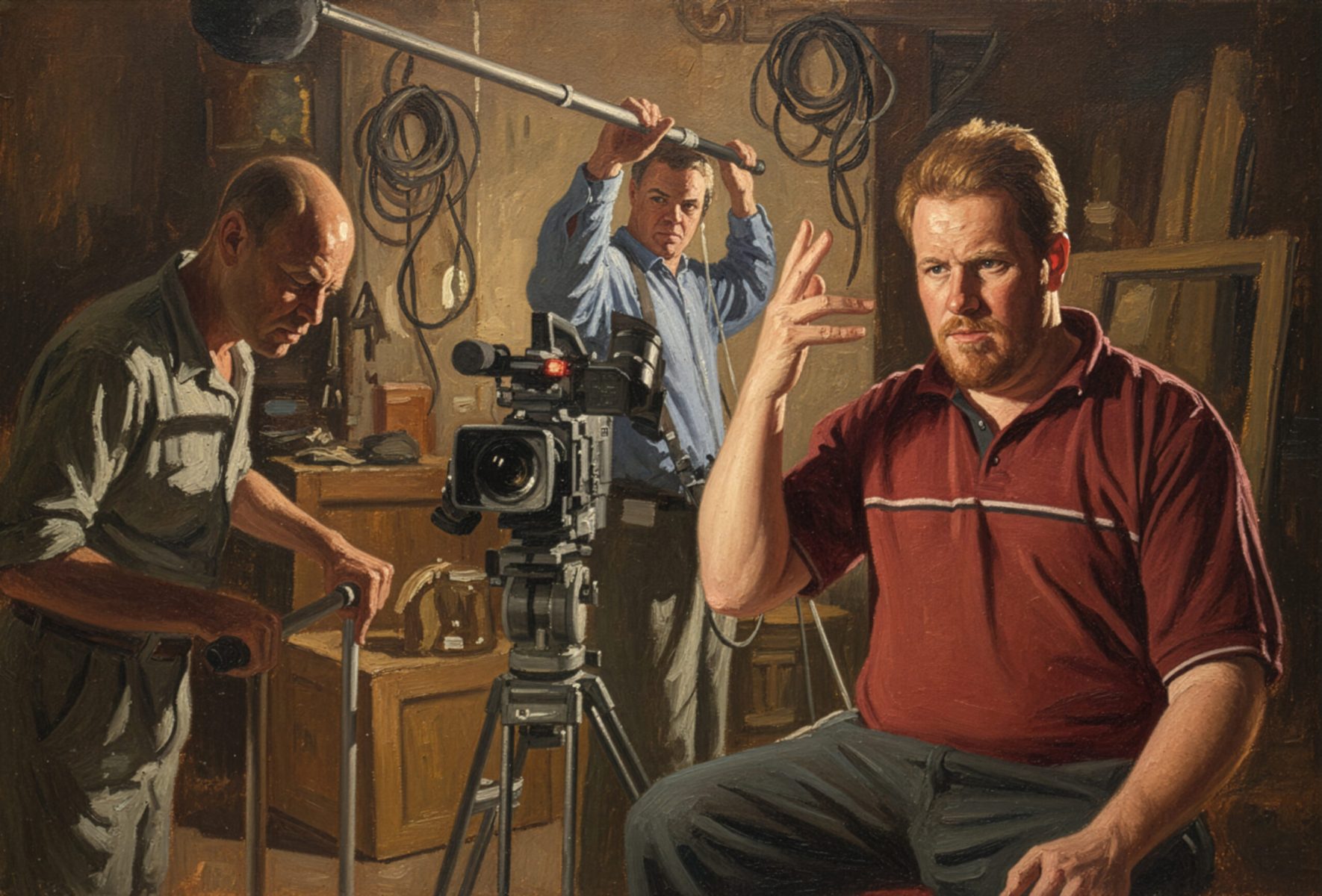
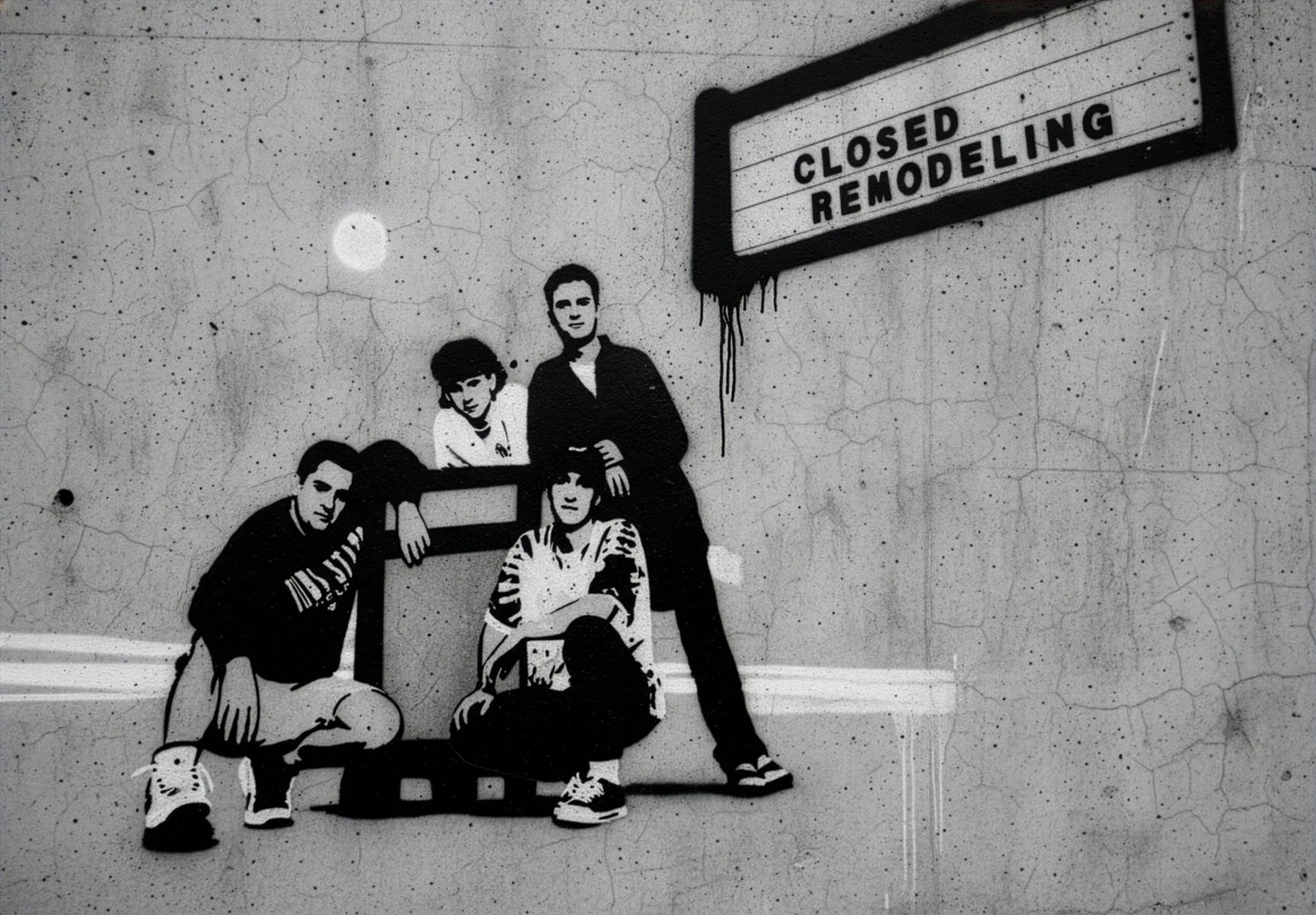
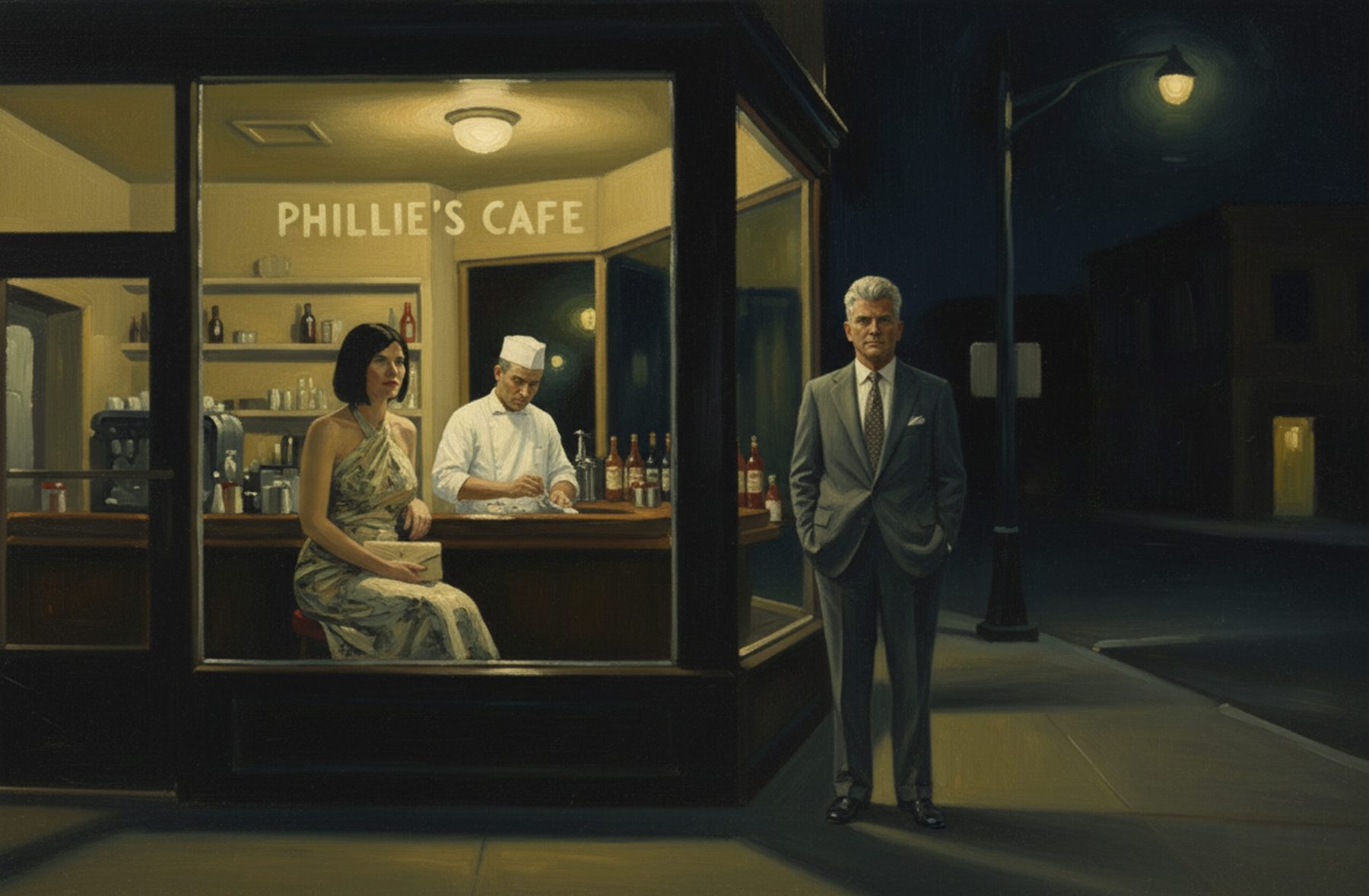
Next I did the same for films and TV with iconic looks. Trademarked content will disguise itself, so I’m surprised whenever it does render accurately. Also, the “slop” treatment of existing text may even apply to text you specify.
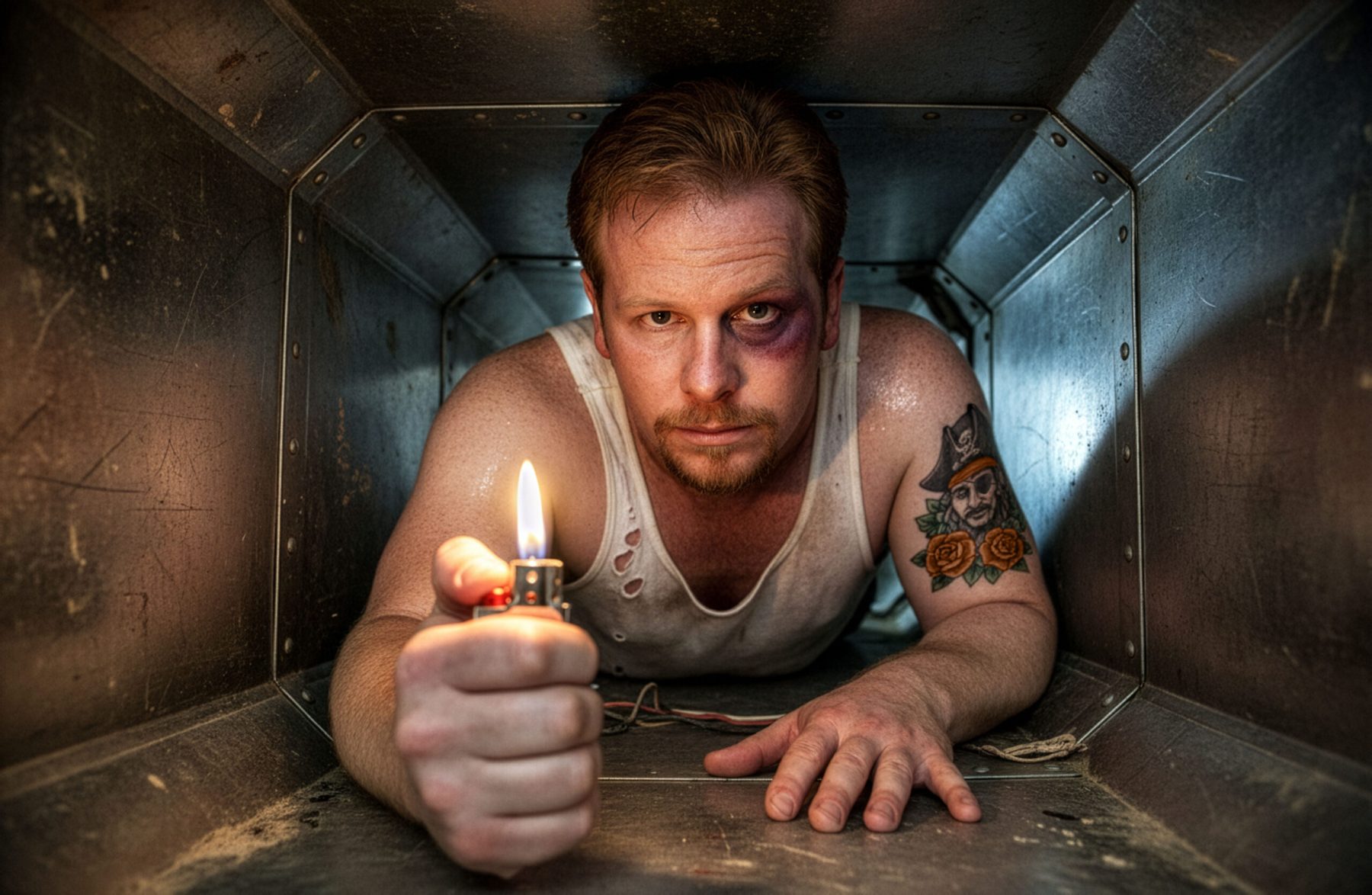
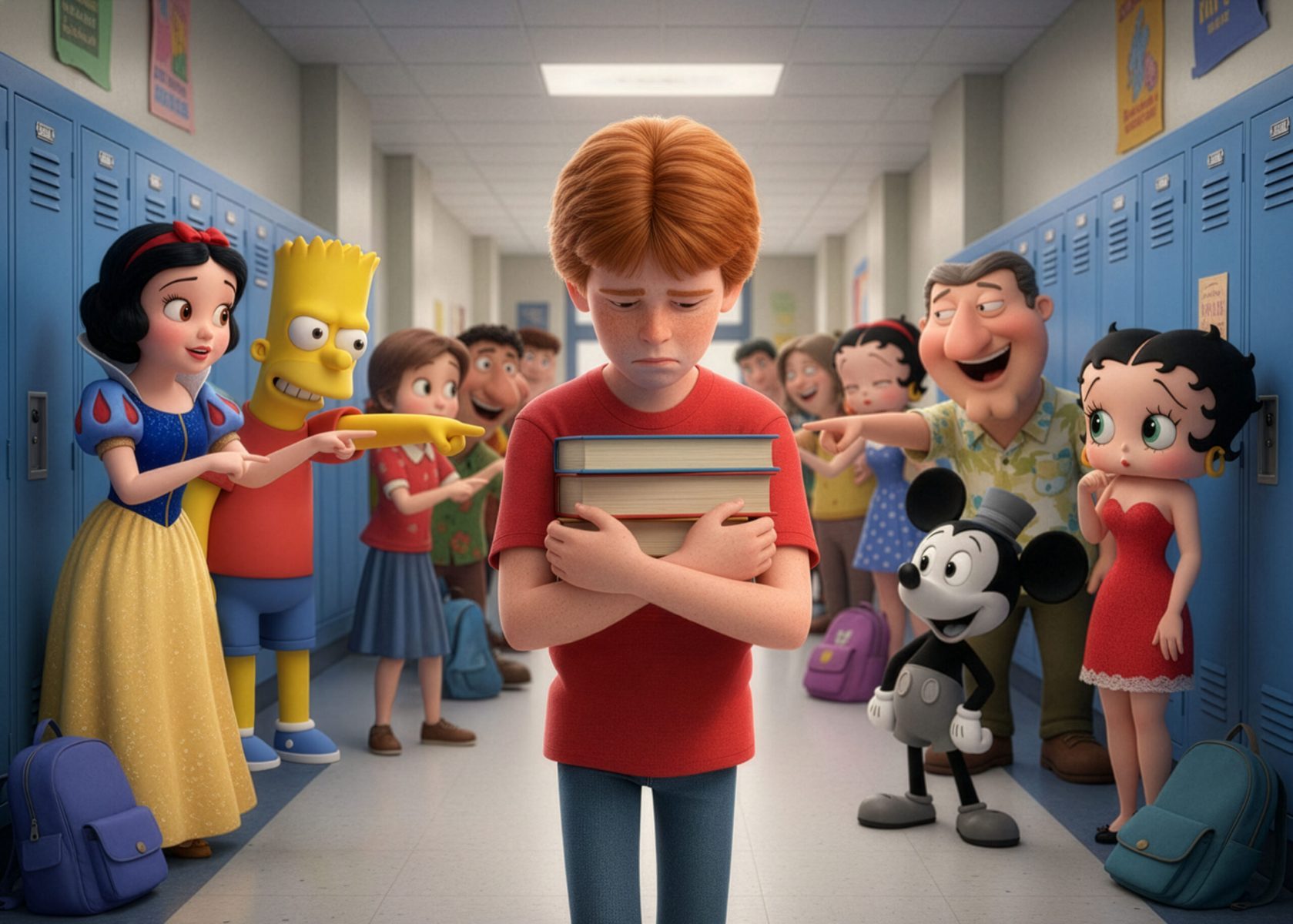
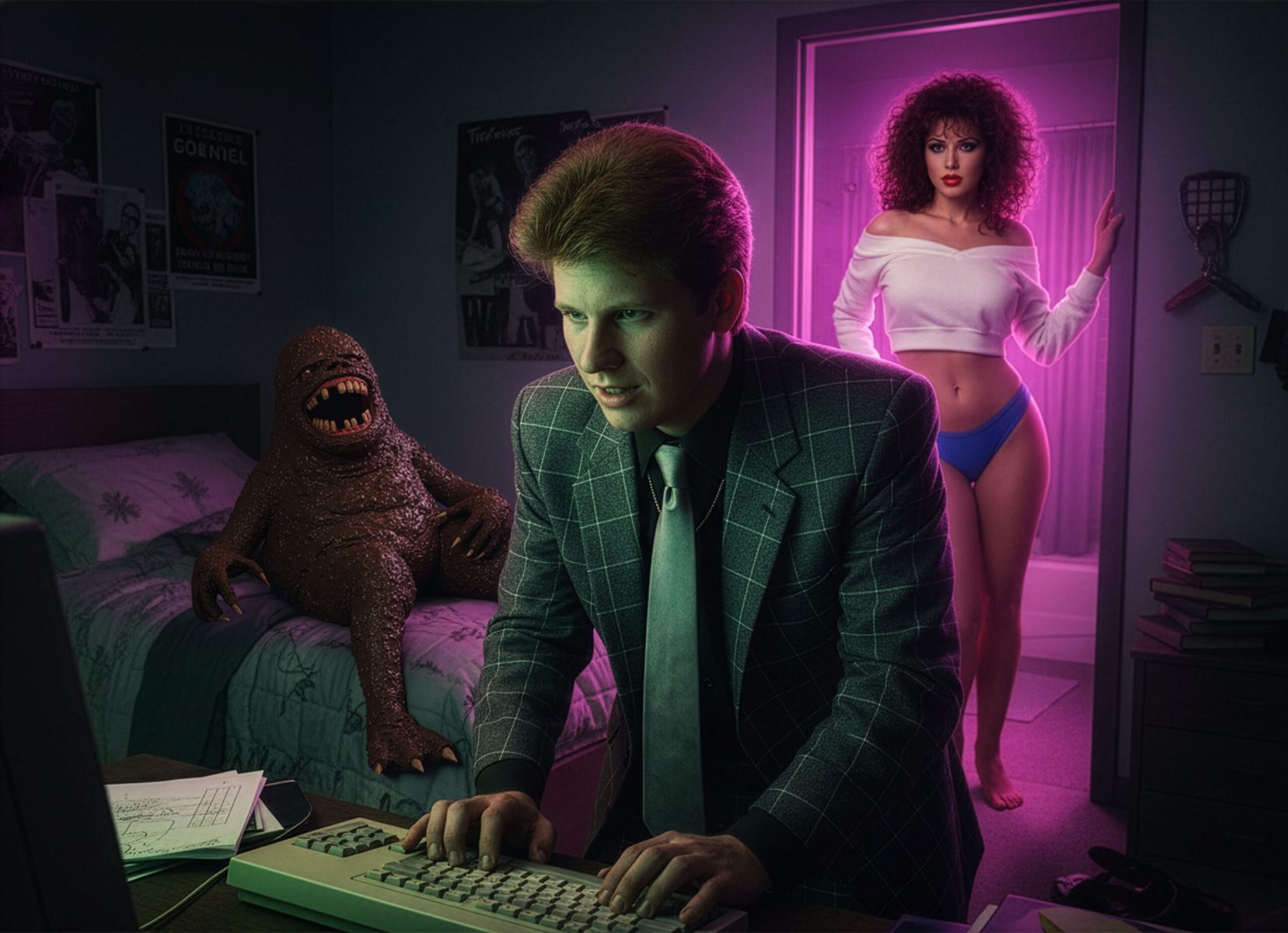
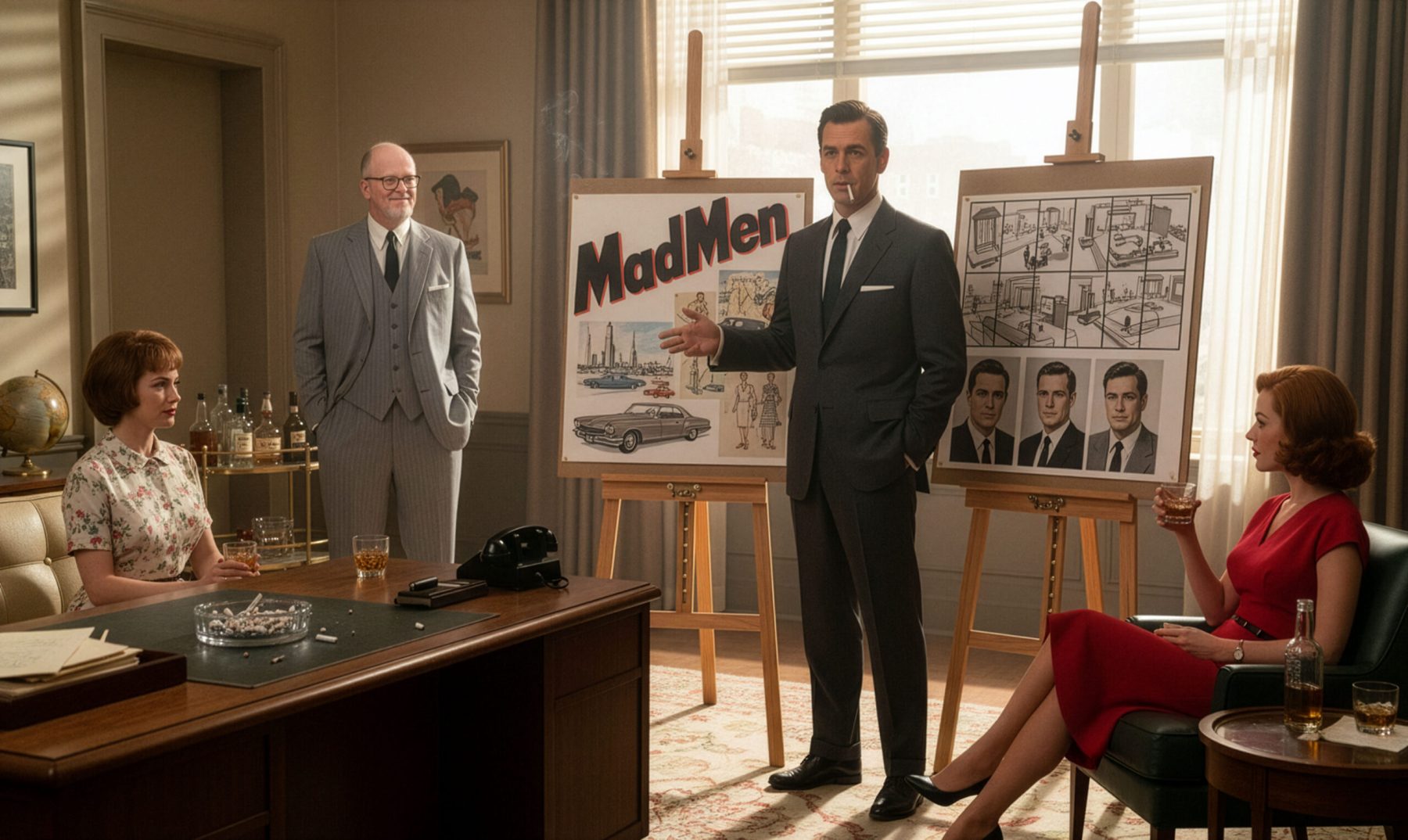
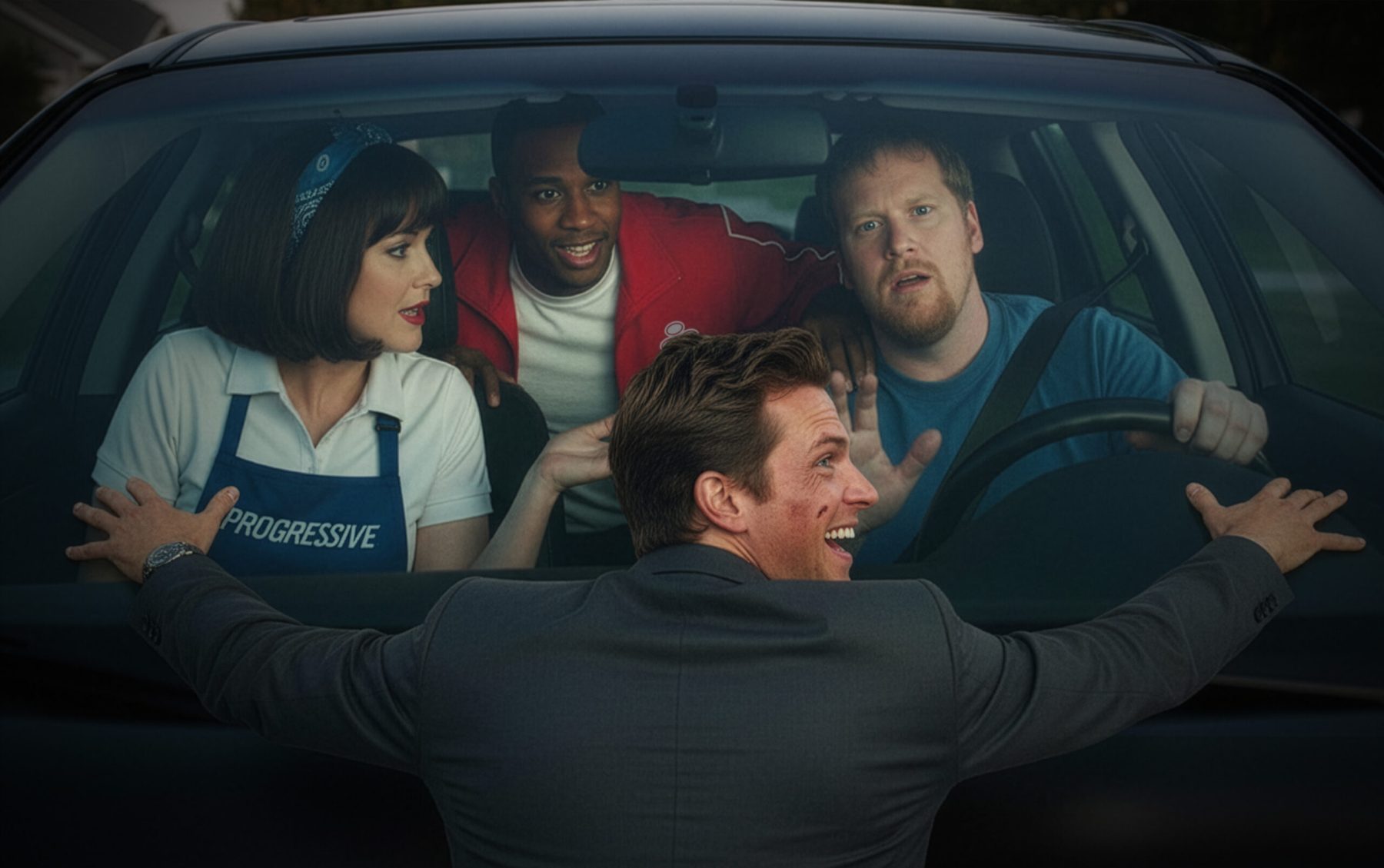
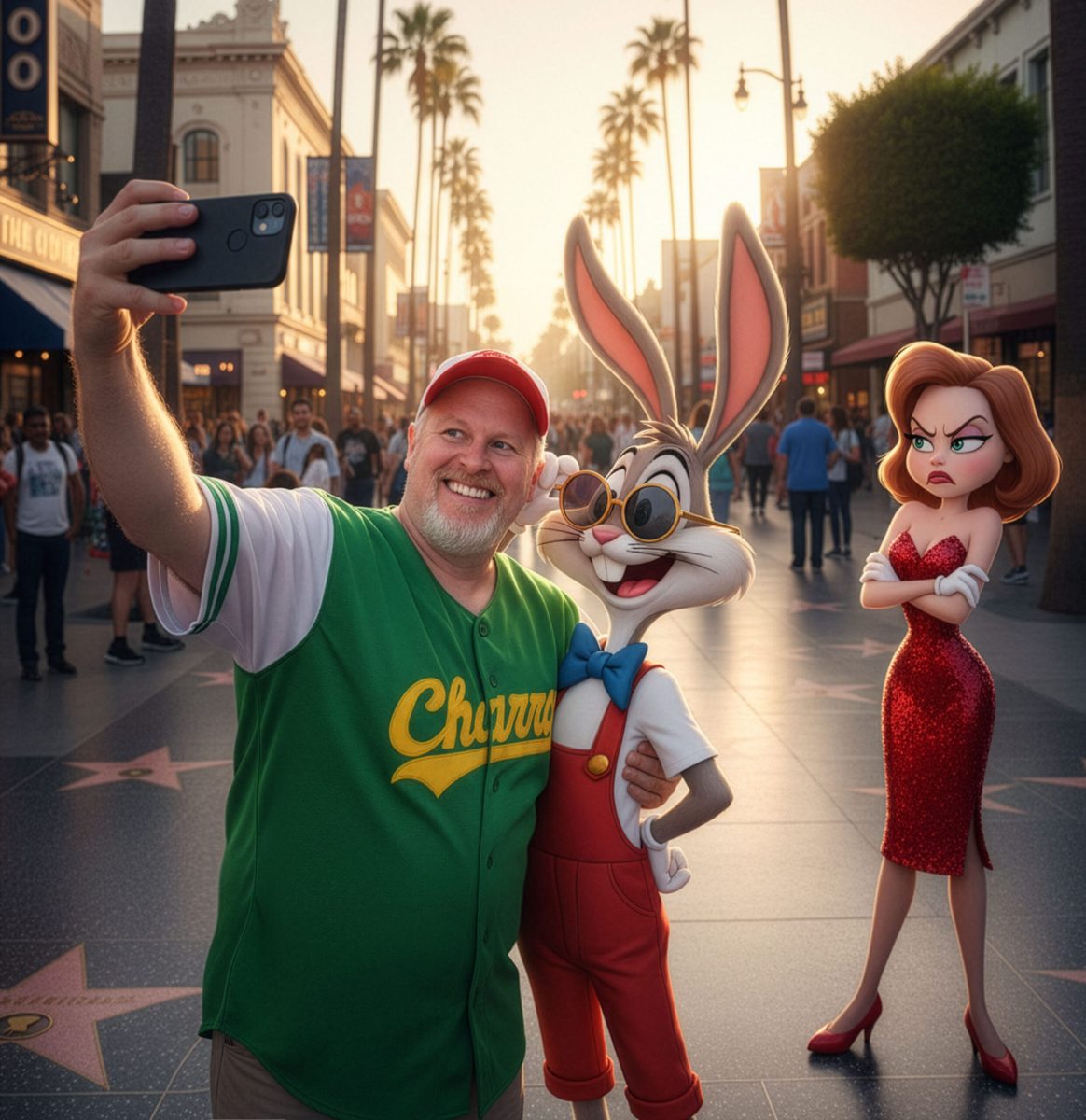
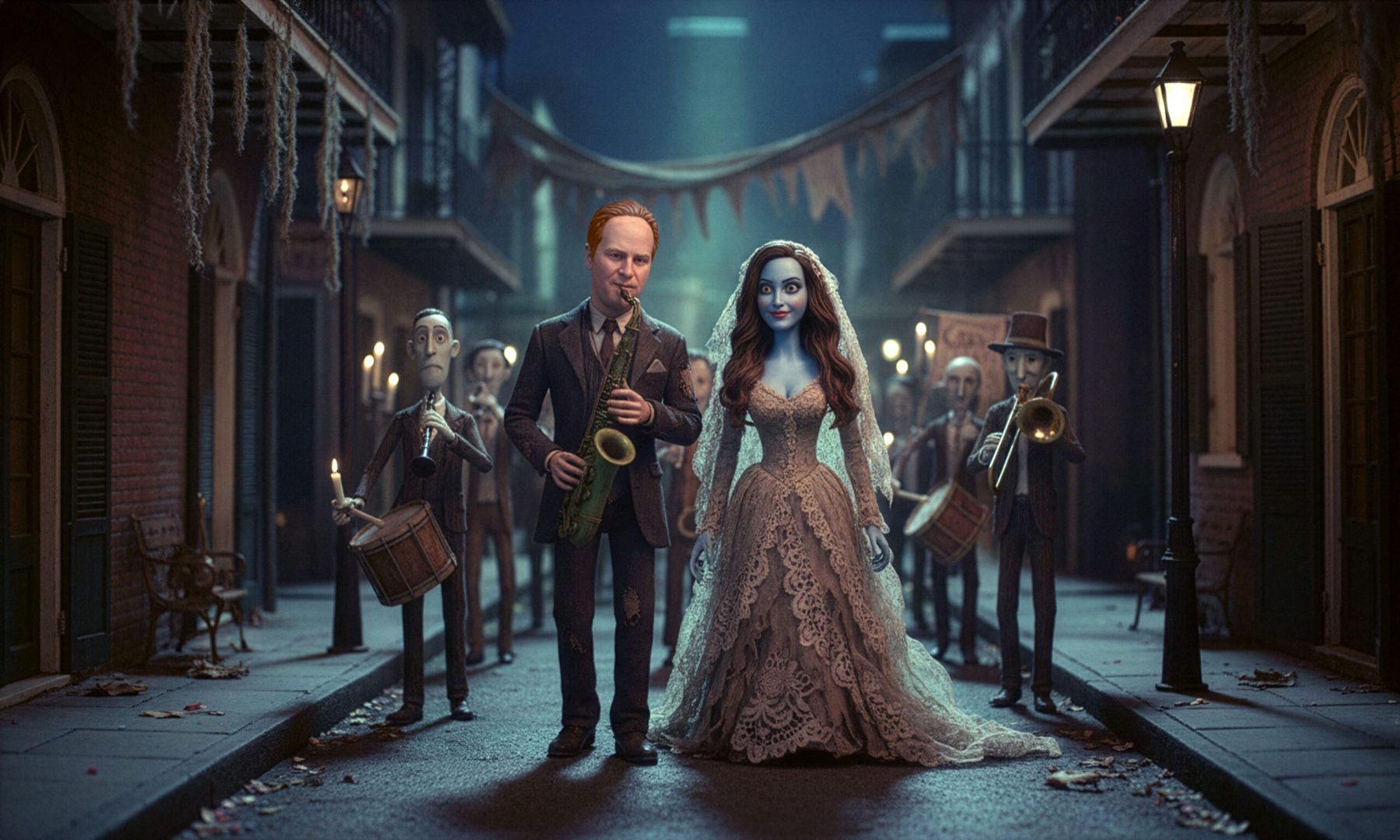
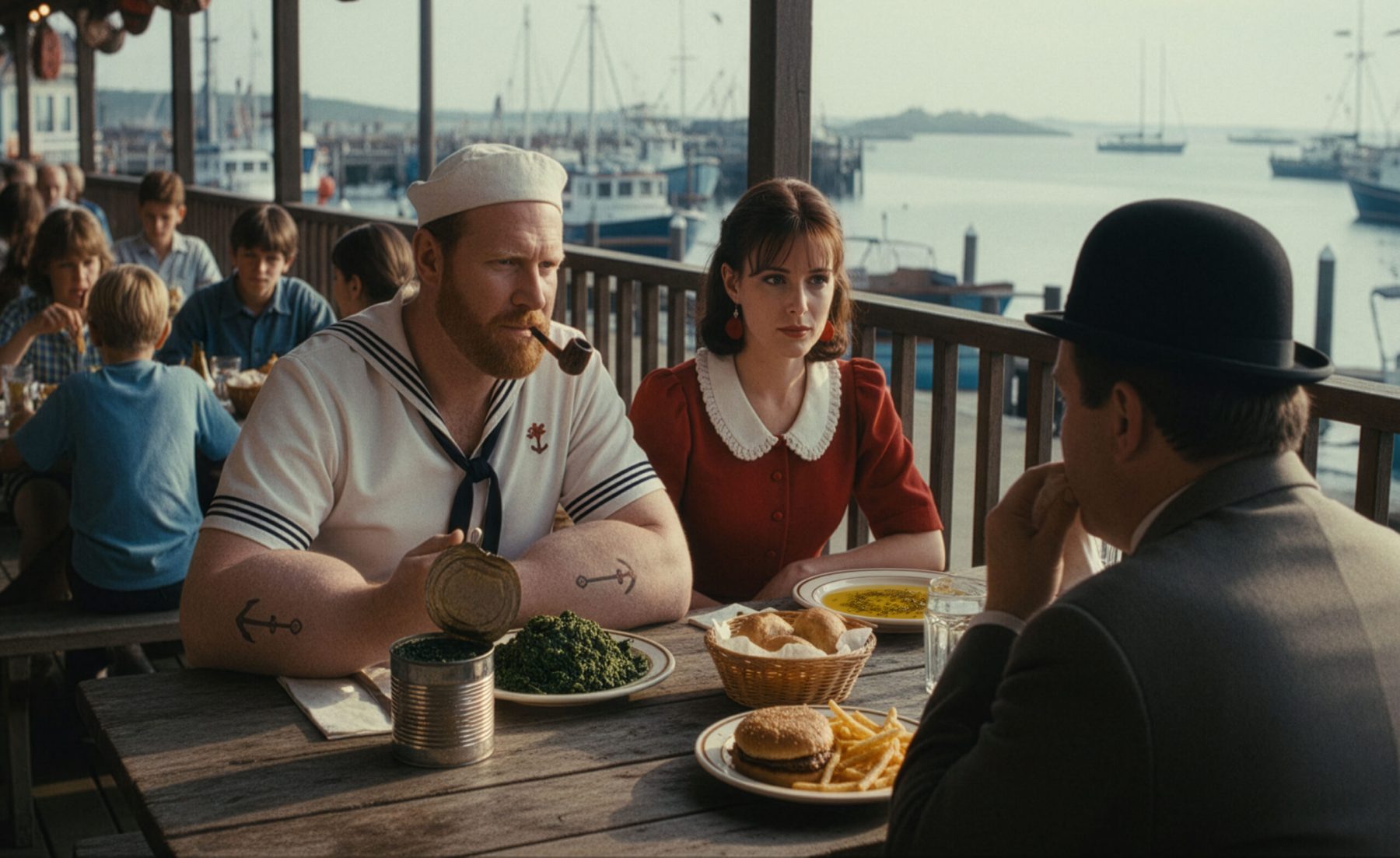
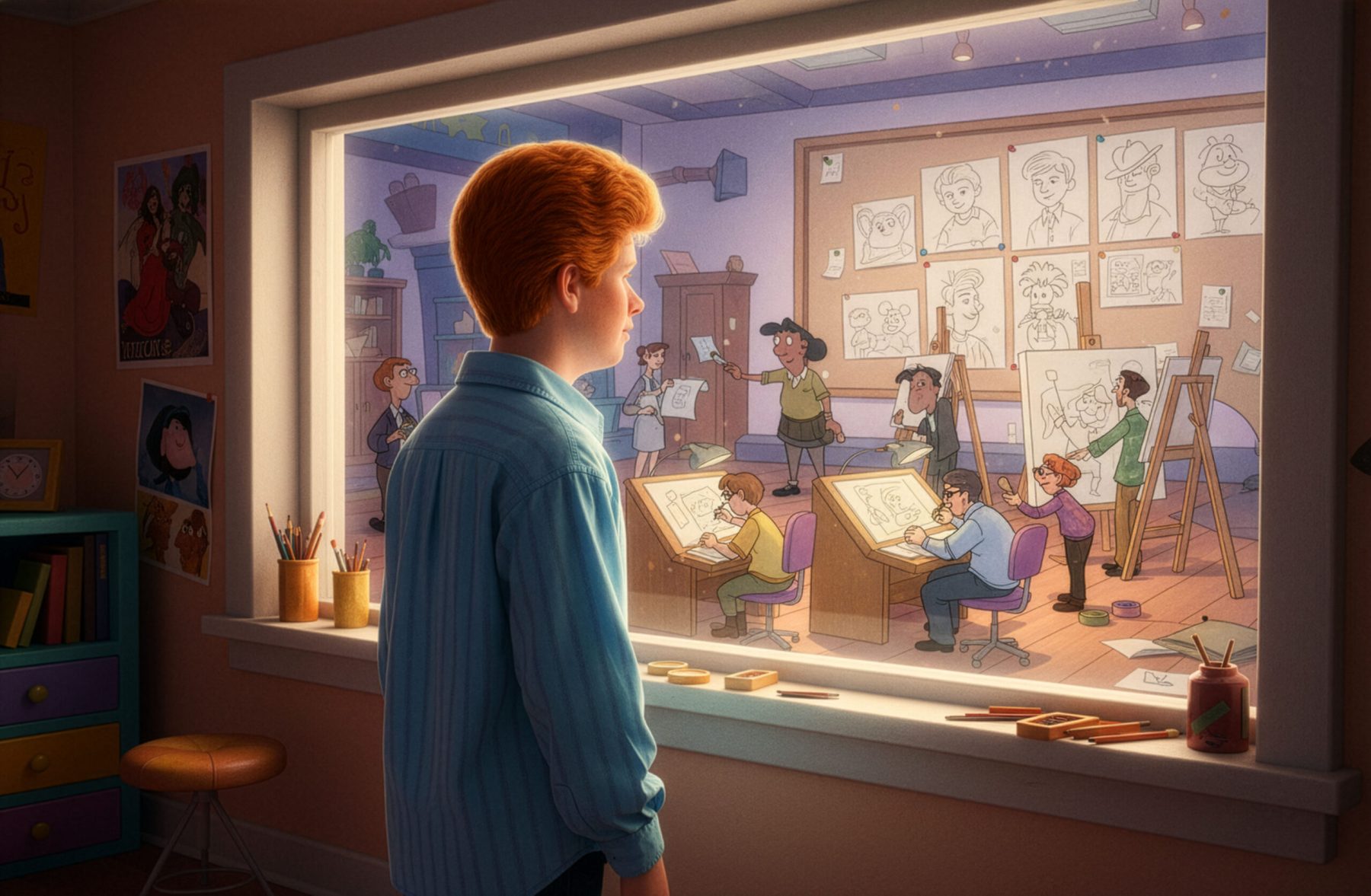
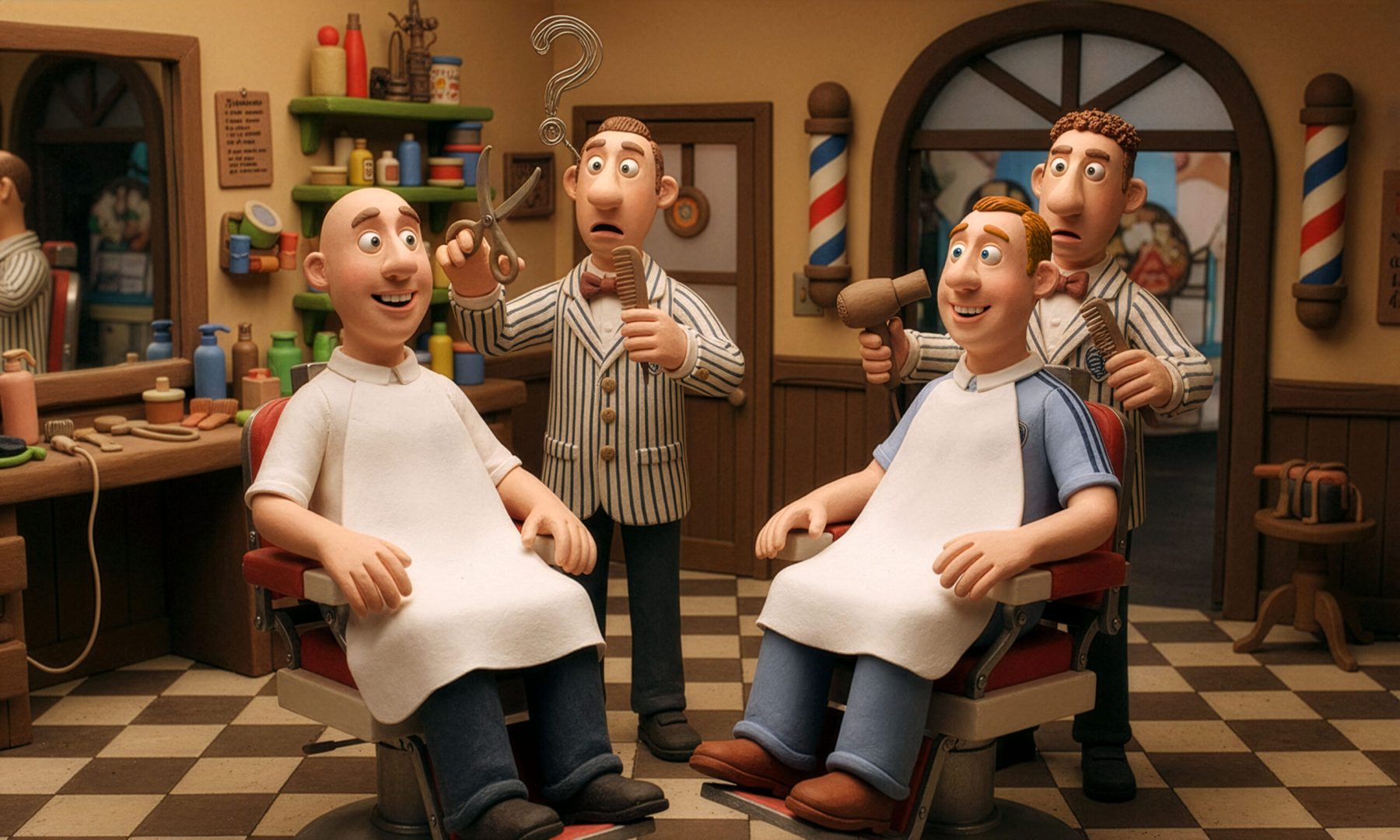
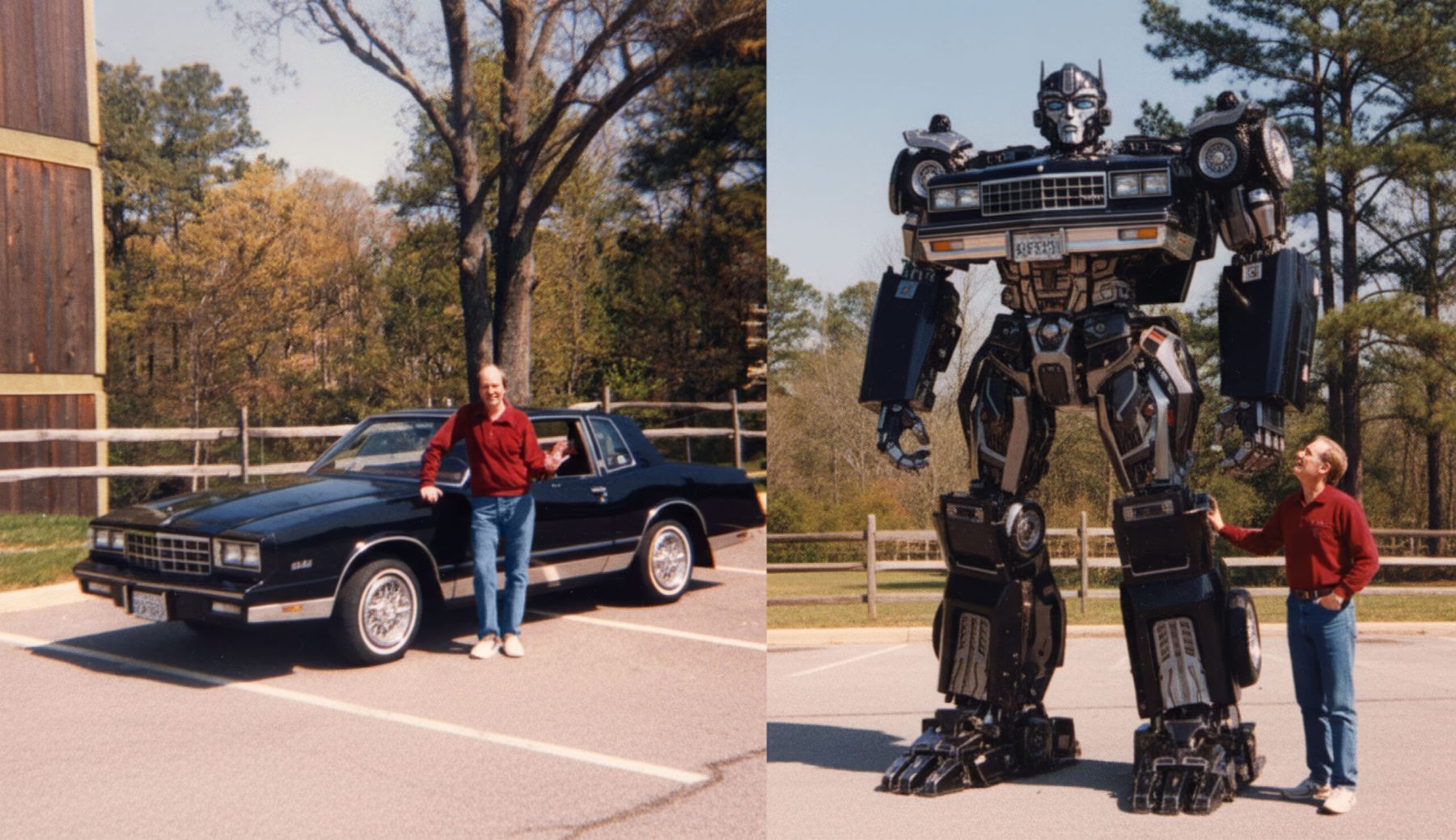

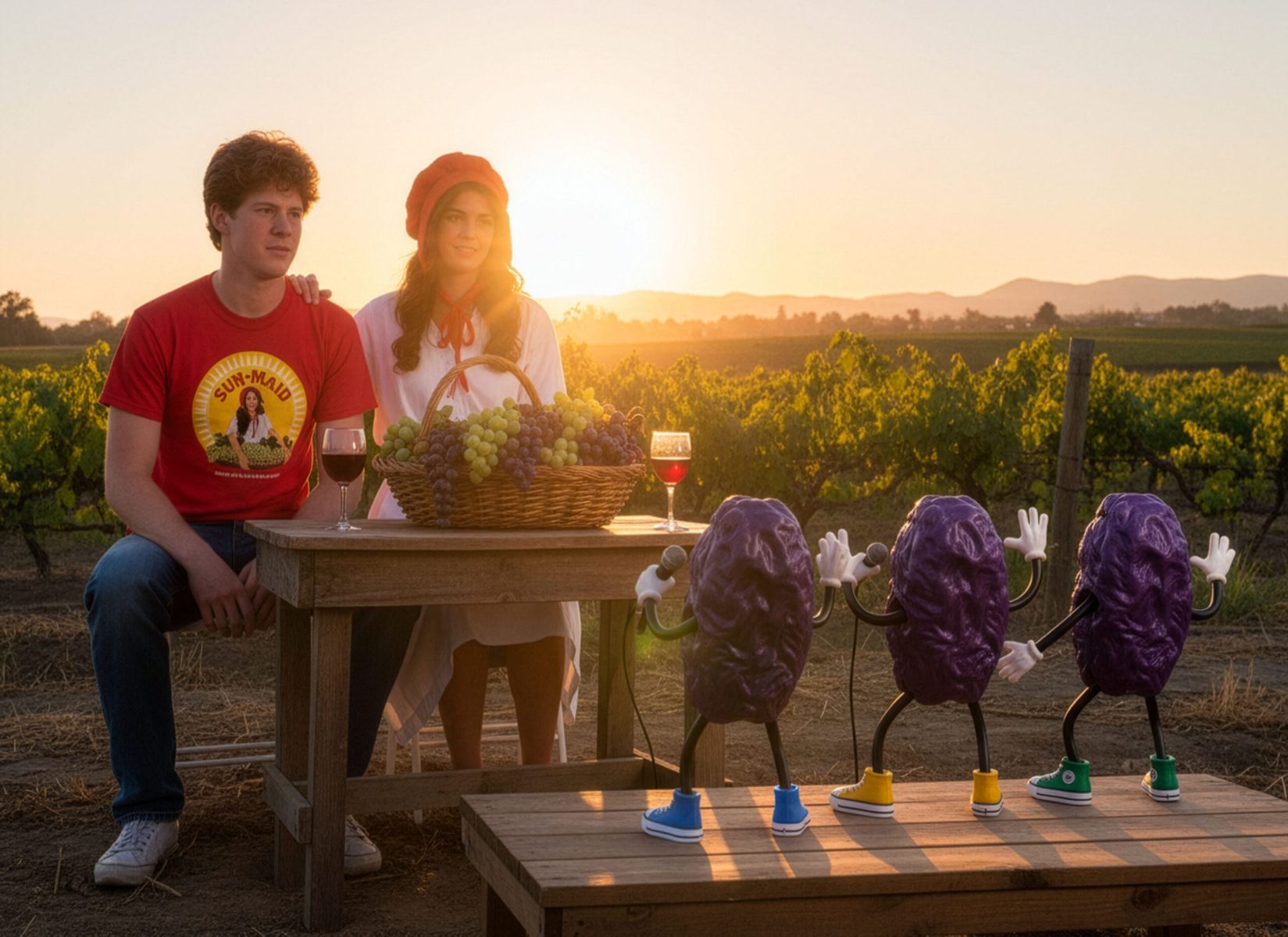
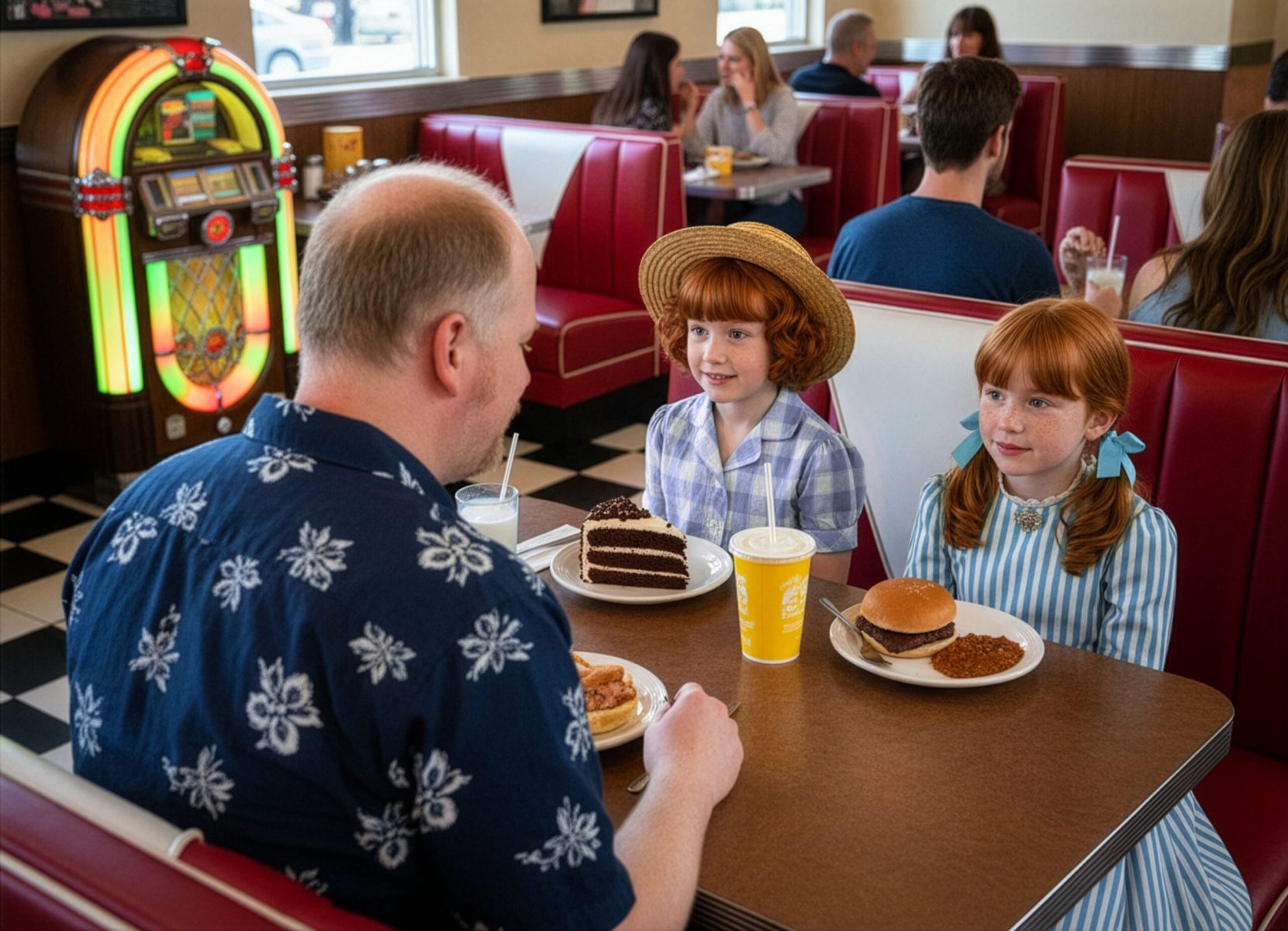
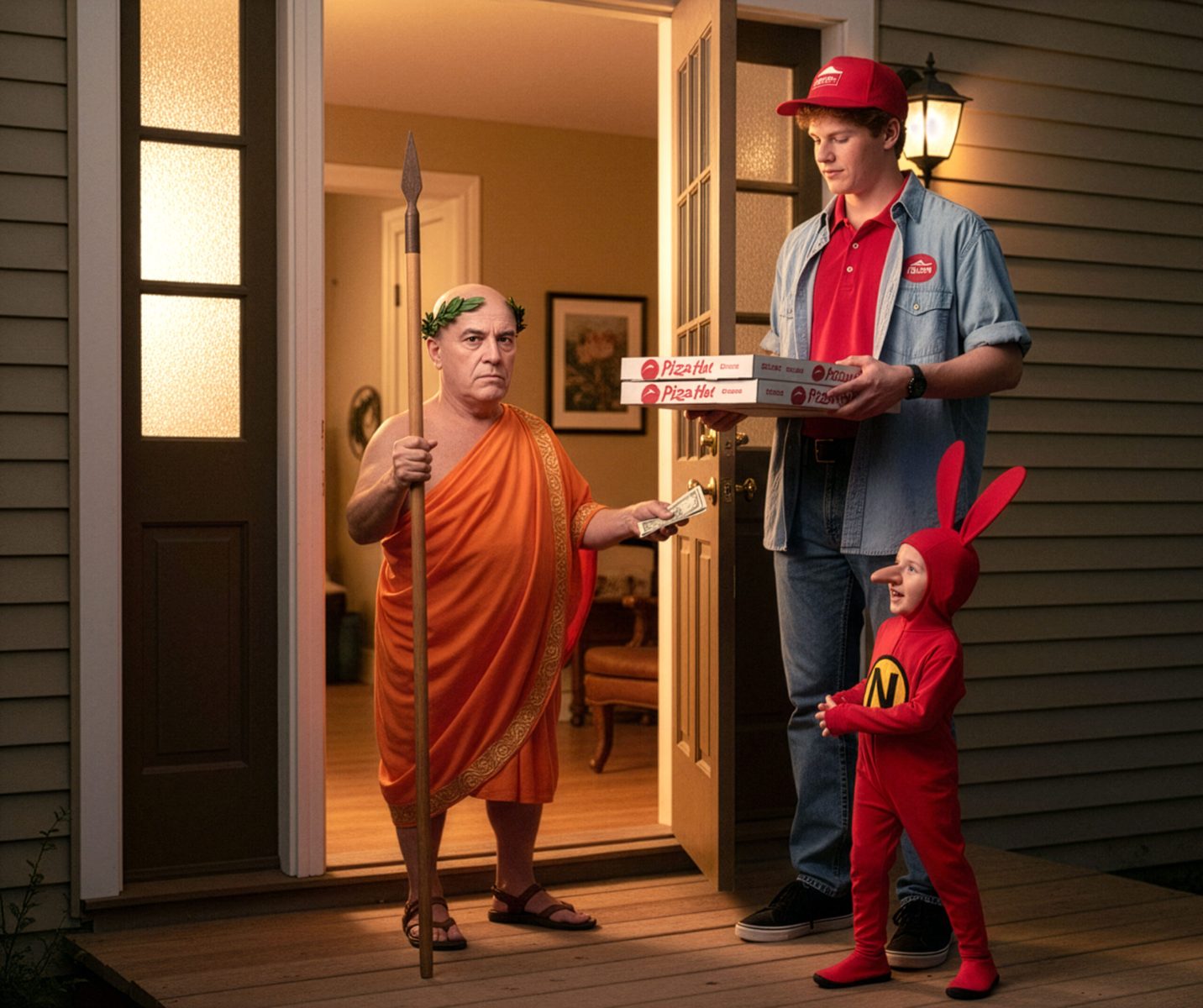
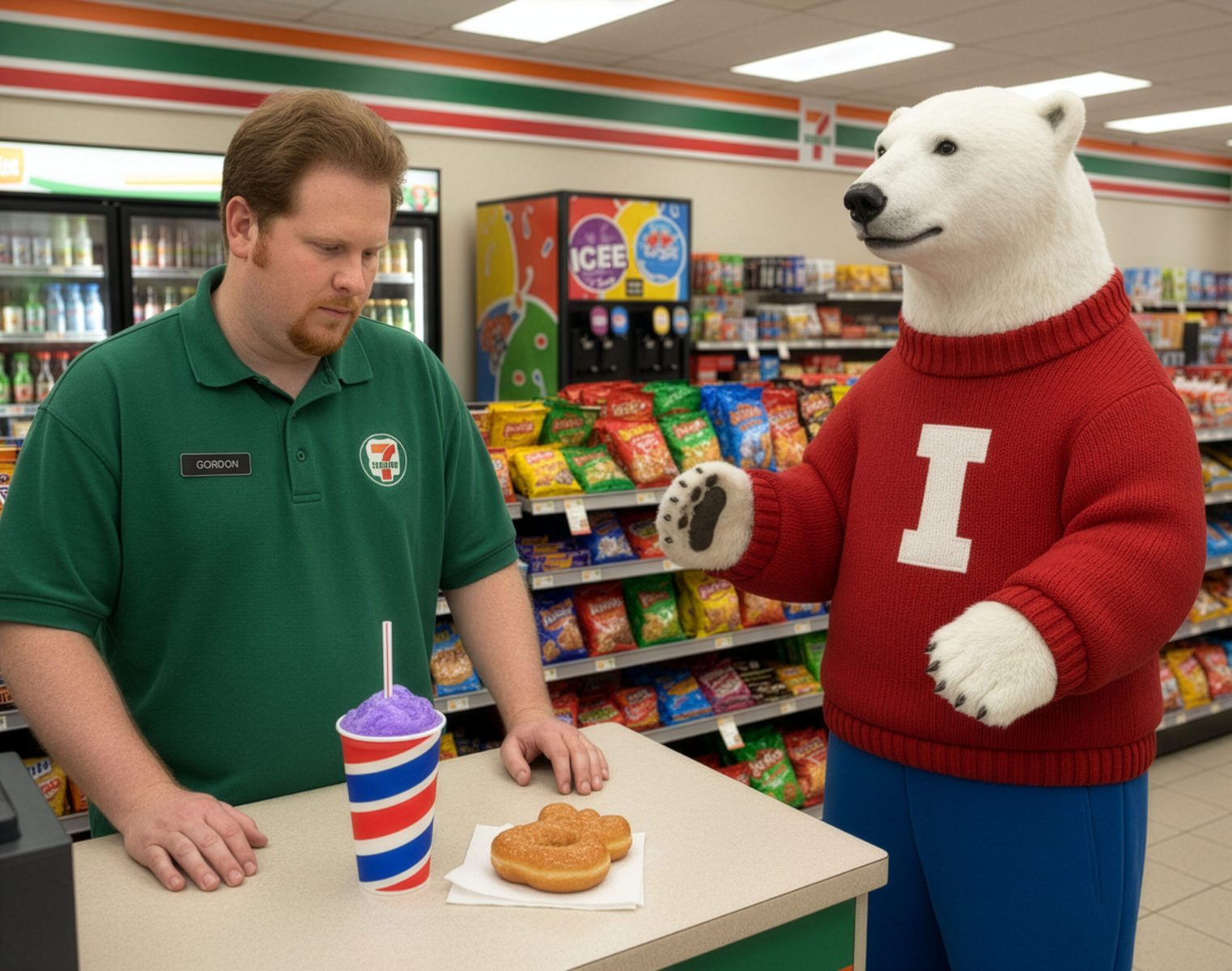
Since the novelty of achieving looks faded, I’ve focused on more creative scenarios, first replacing backgrounds for amusement or irony, posing people, and changing their clothes, a la Robot Chicken. I’ve especially enjoyed bringing illustrated characters like brand mascots to life. Photographic experience helps me craft more compelling images through composition, re-lighting, and point of view. Some results in this next gallery hold up as their own works, making them a bit like memes. (They also didn’t fit my other categories.)
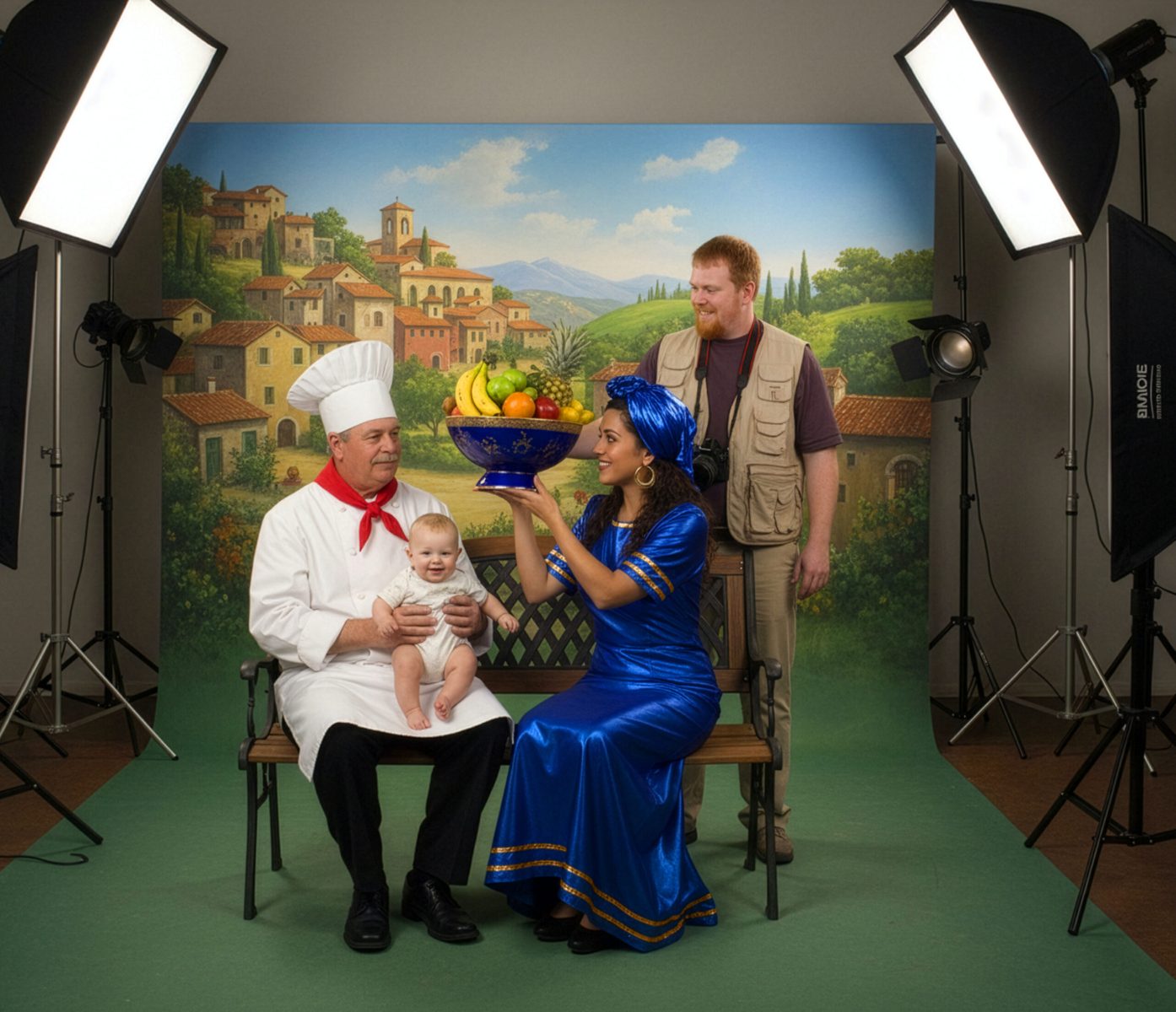
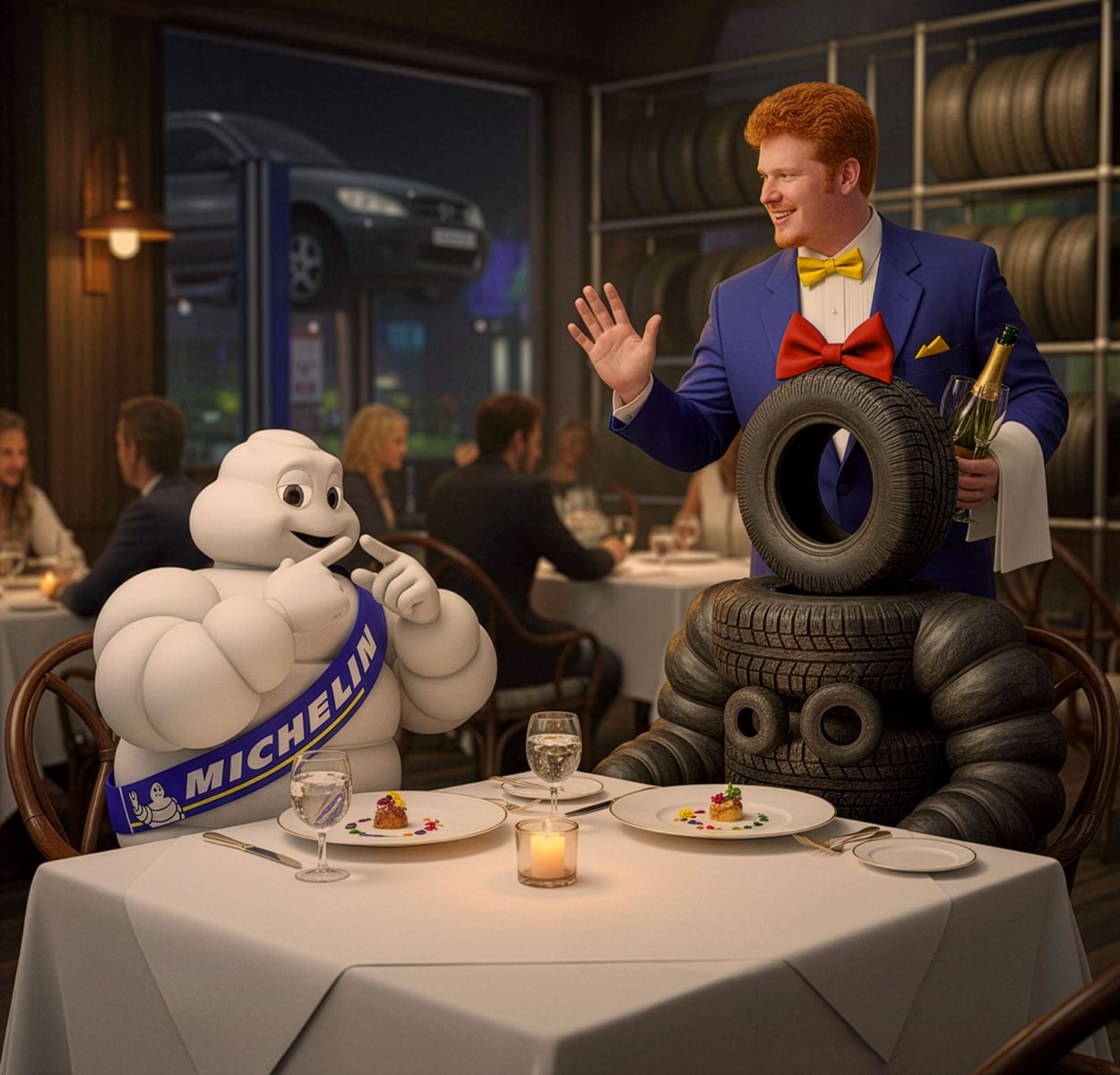
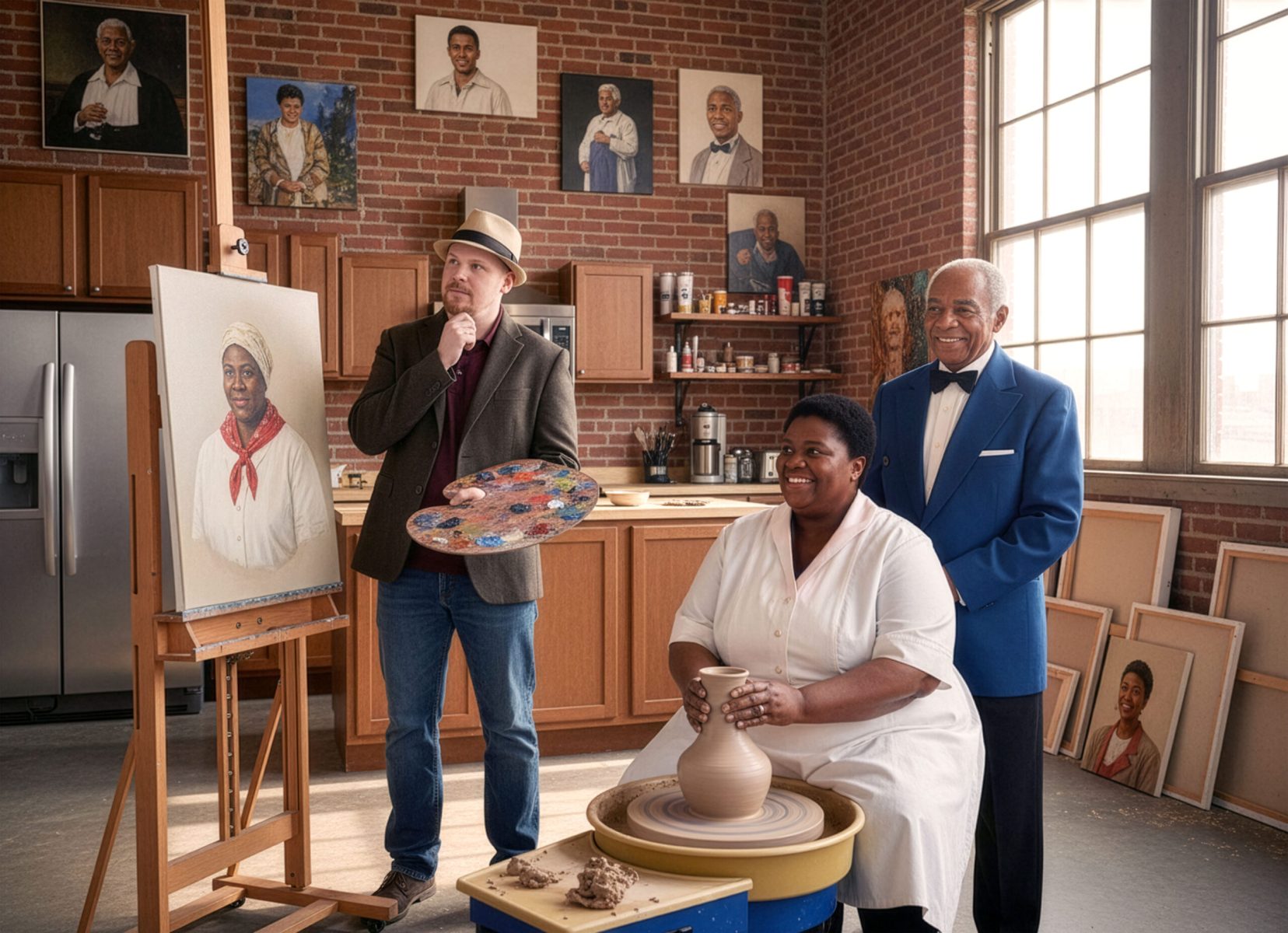
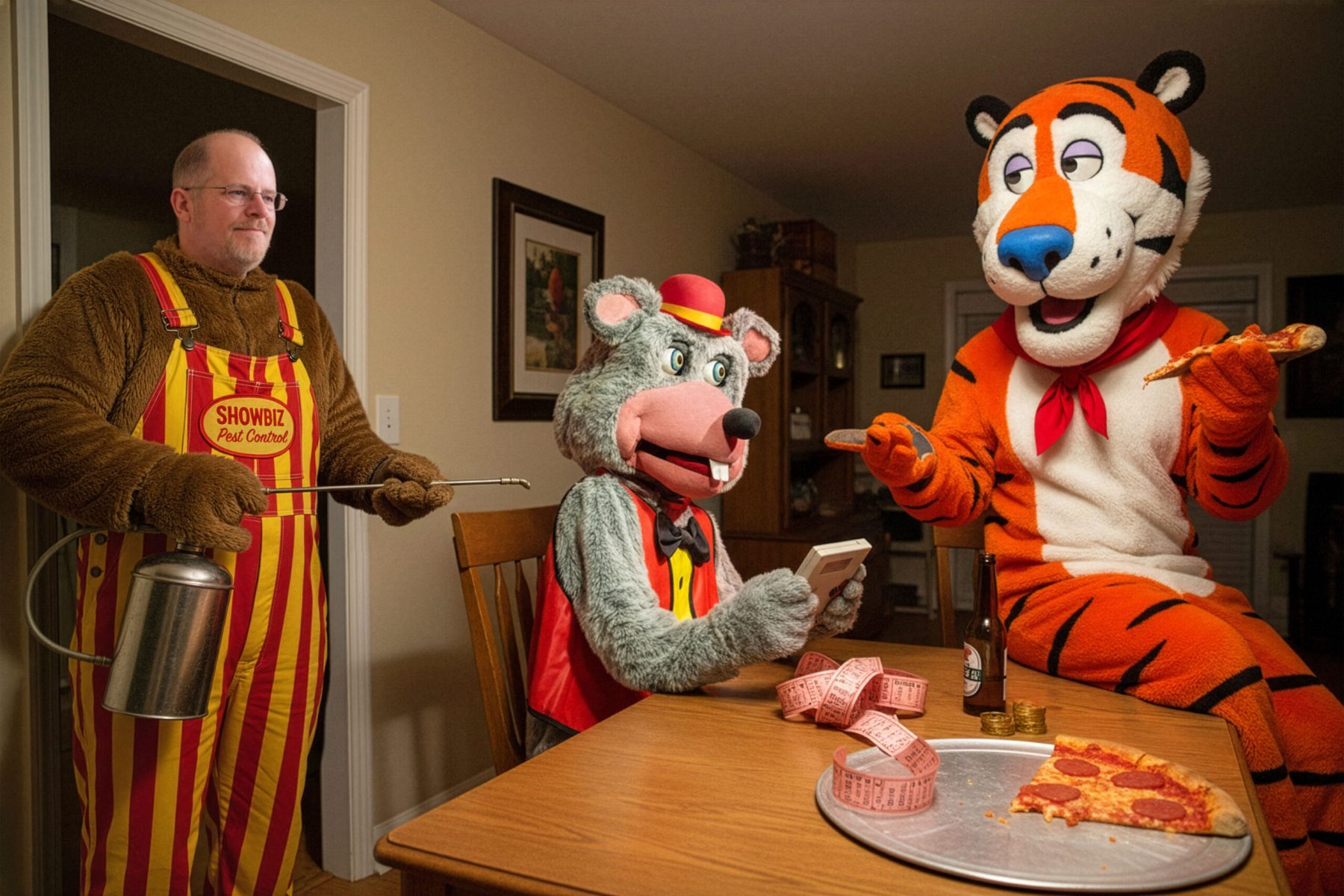
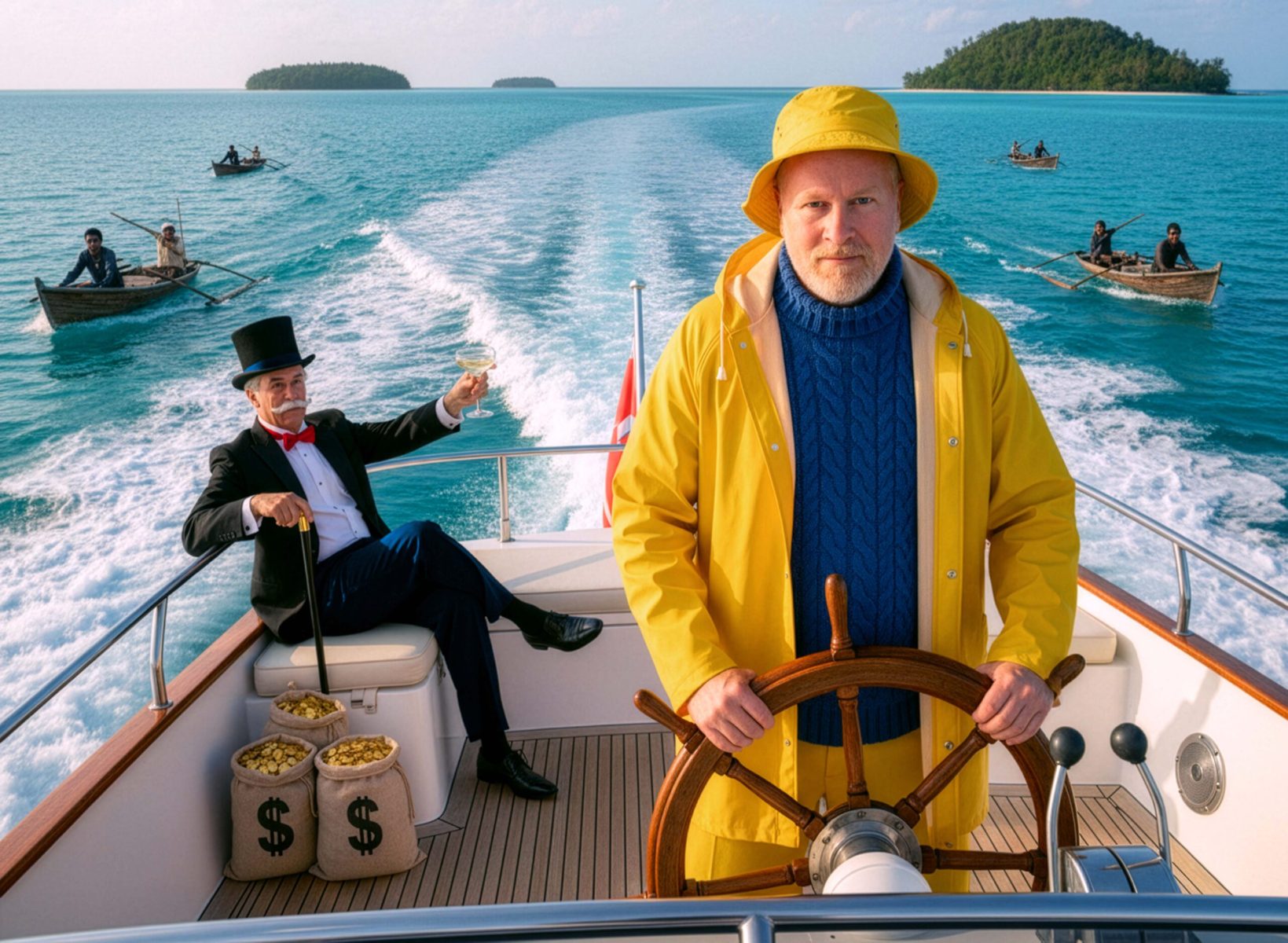
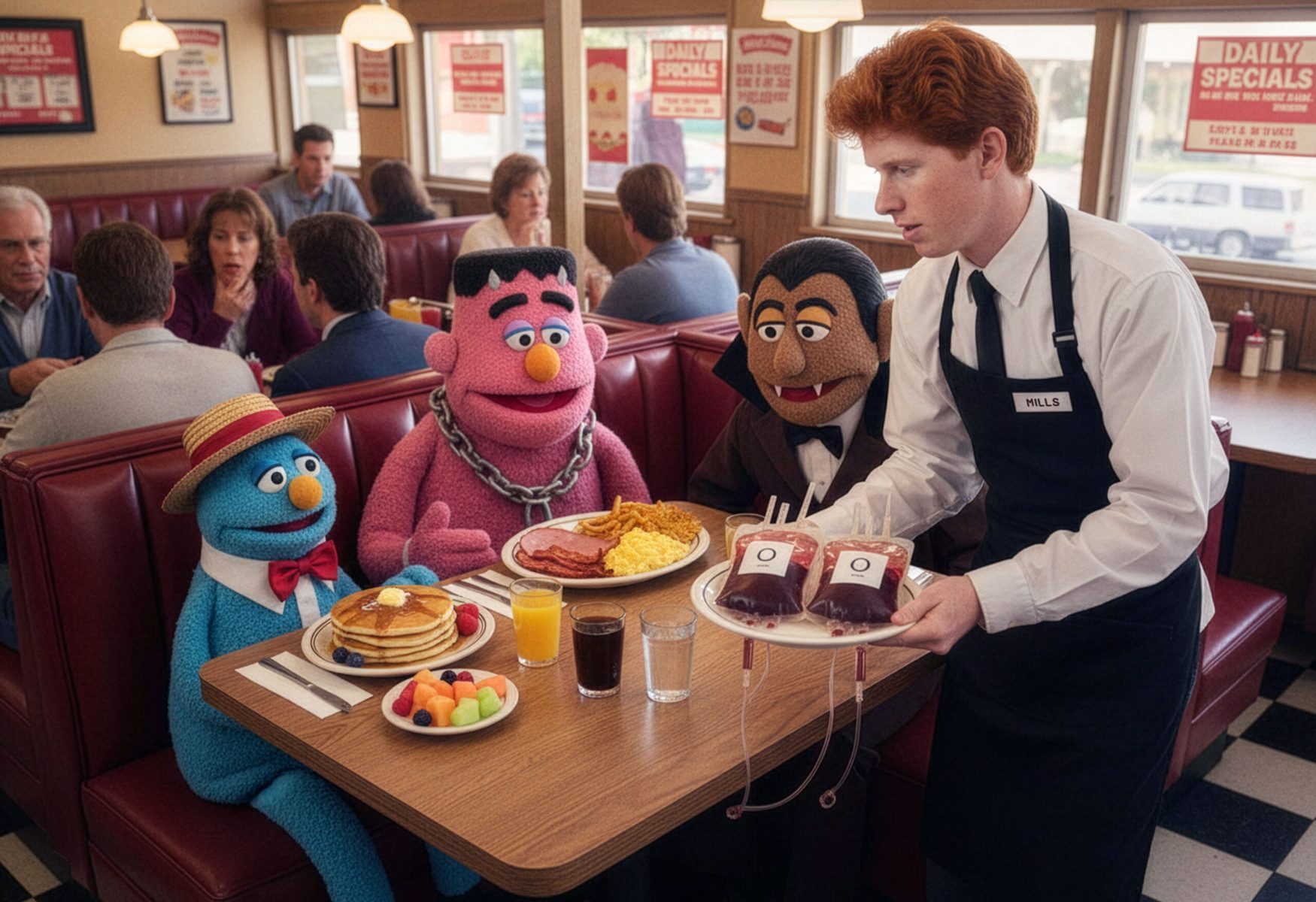
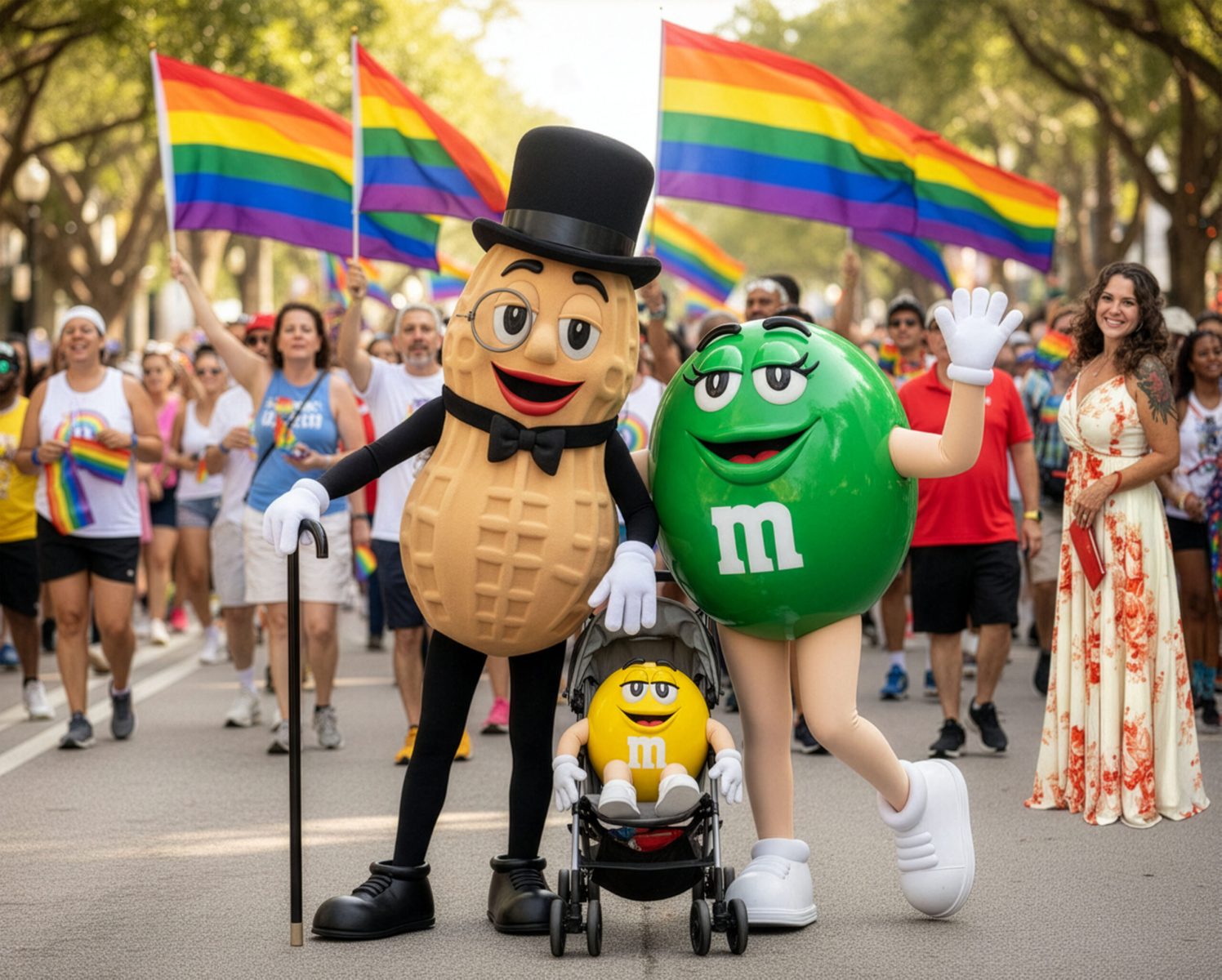
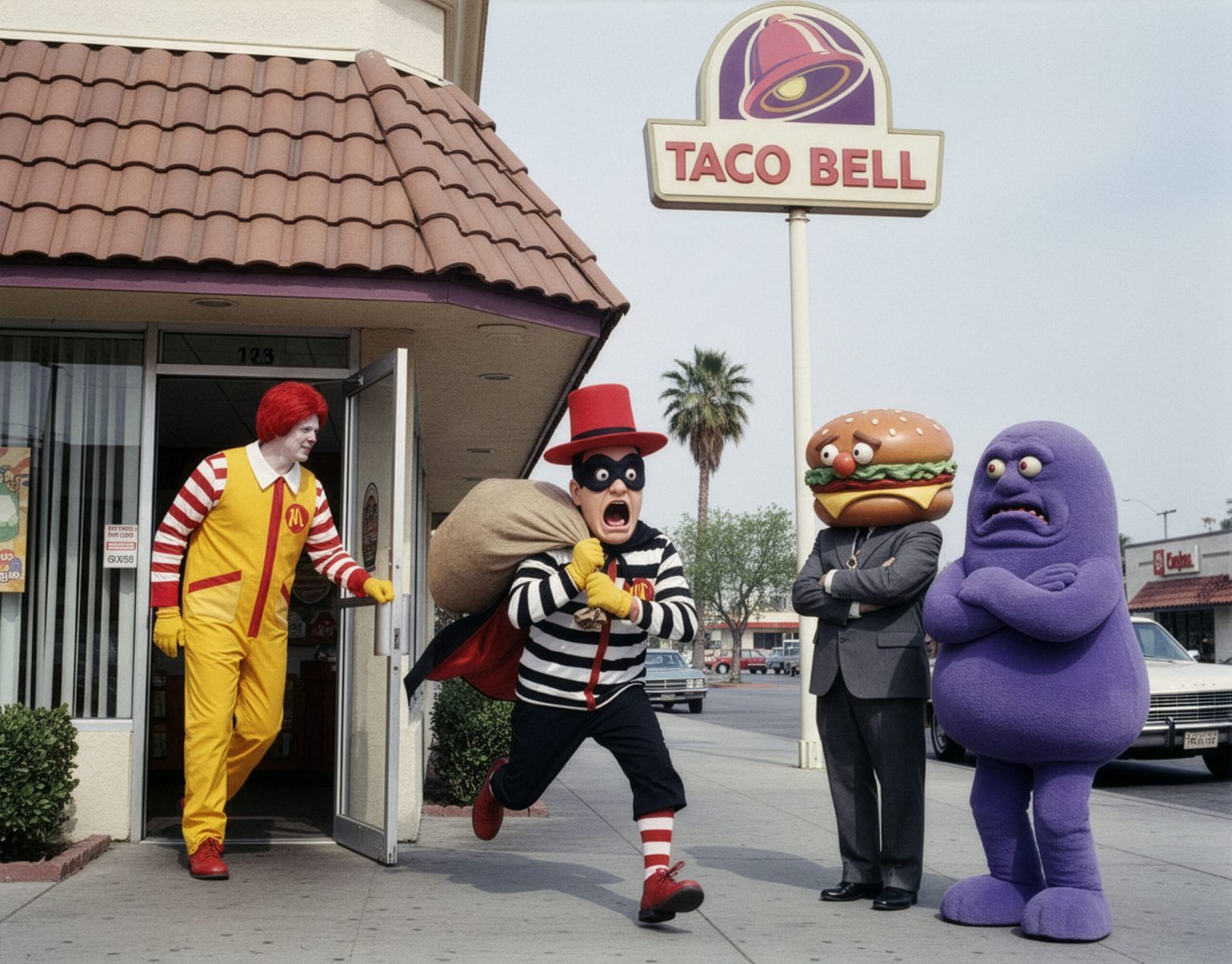
Here’s a series of portraits where people interact with themselves at different ages, followed by some “five-generation” portraits of similar inspiration.


This last set I call “revisualist history” or “untaken photos.” Ordered chronologically, most are photorealistic, and no existing backgrounds were kept. I described environments from memory and generated most people from small B&W yearbook headshots or VHS screenshots. The sentiment each image evokes is accurate even when details are conflated. These of course require much more detailed instructions.